Biodiversity Research in the Peruvian Amazon
The Challenge
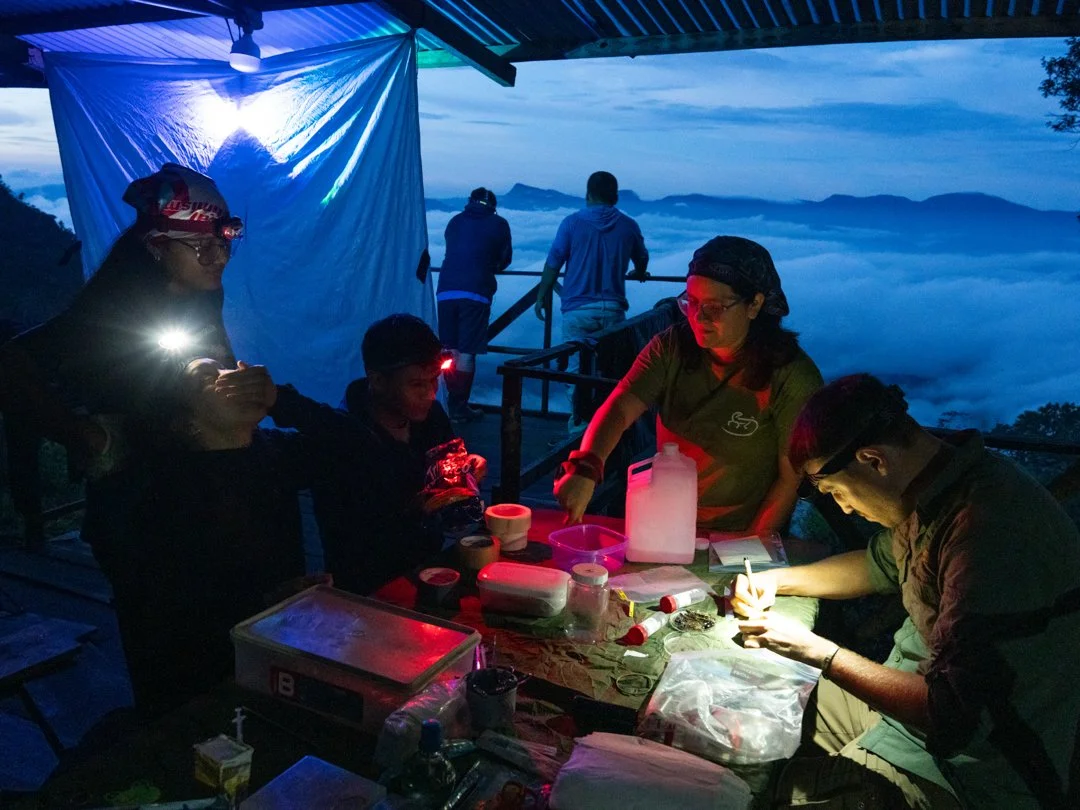
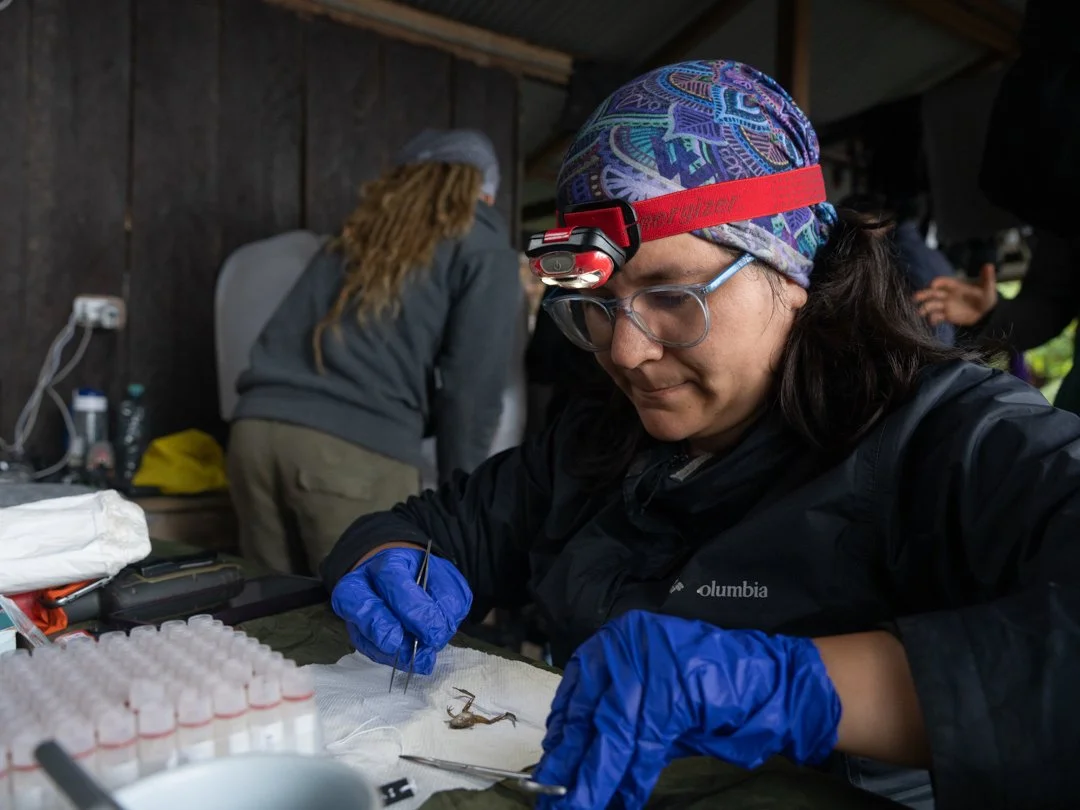
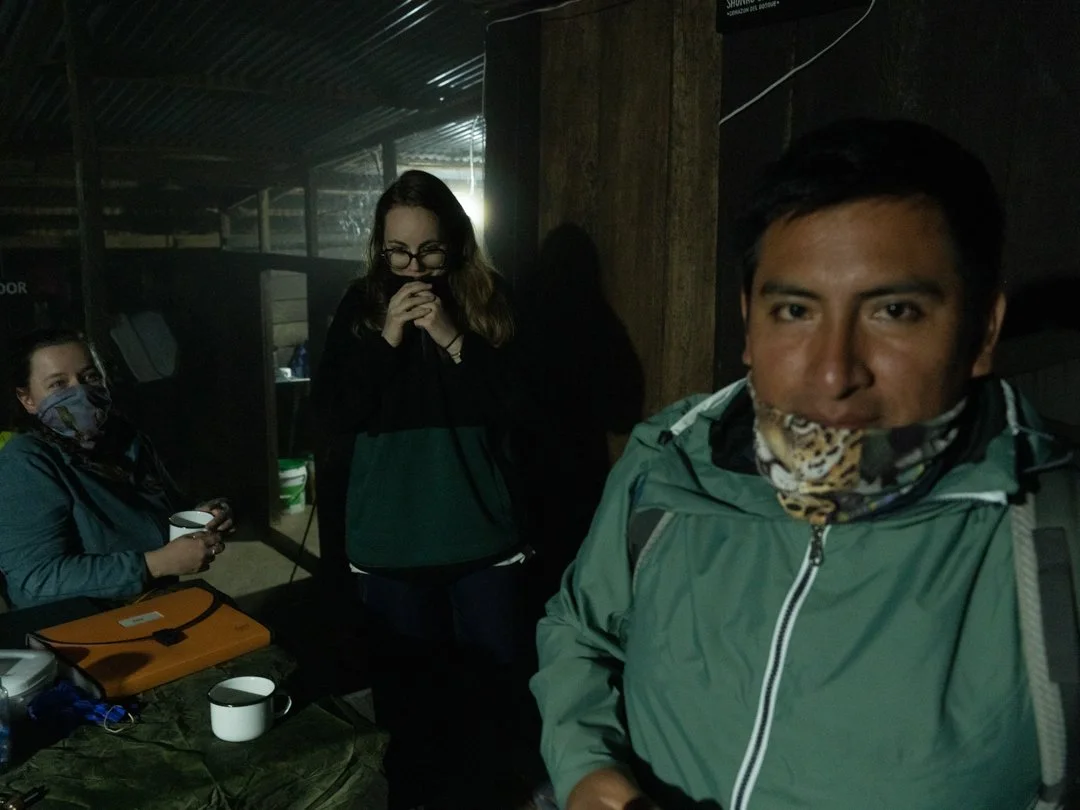
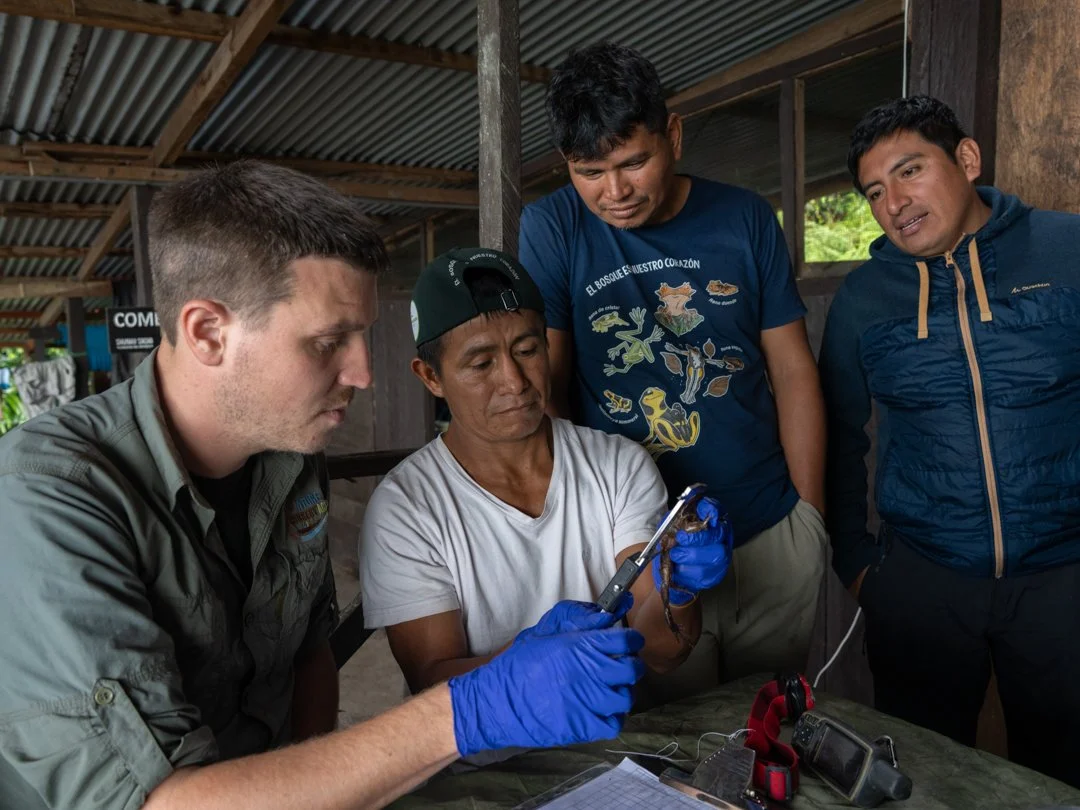
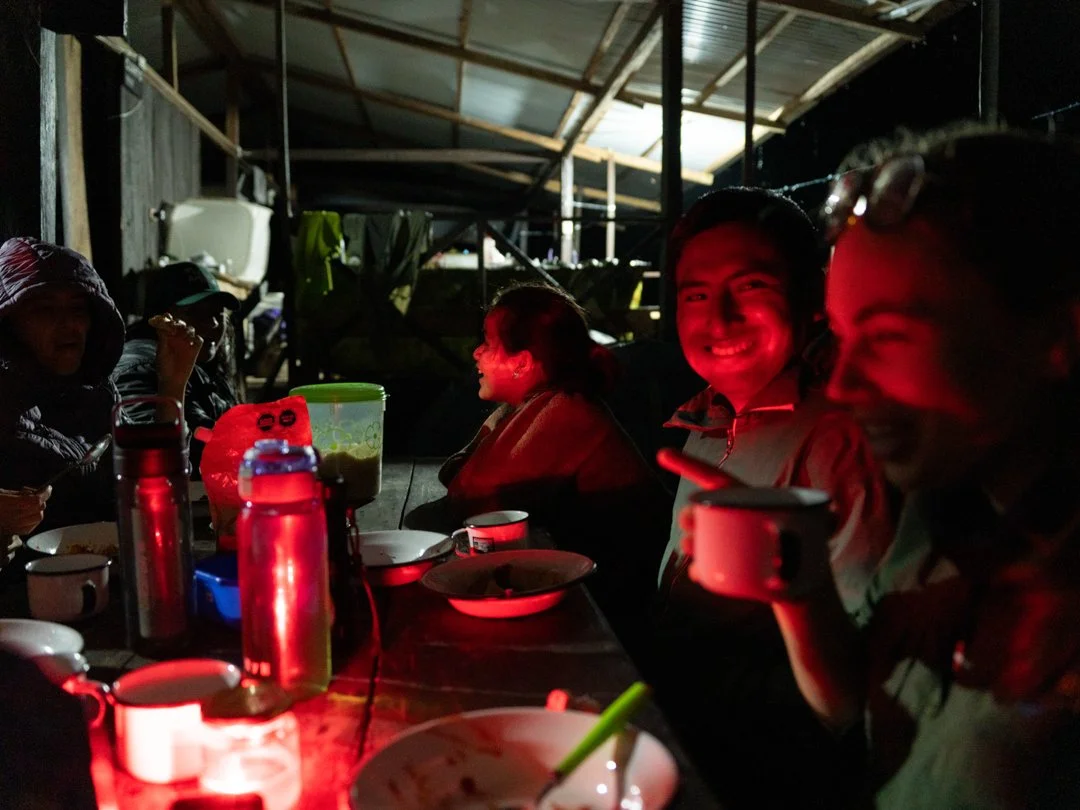
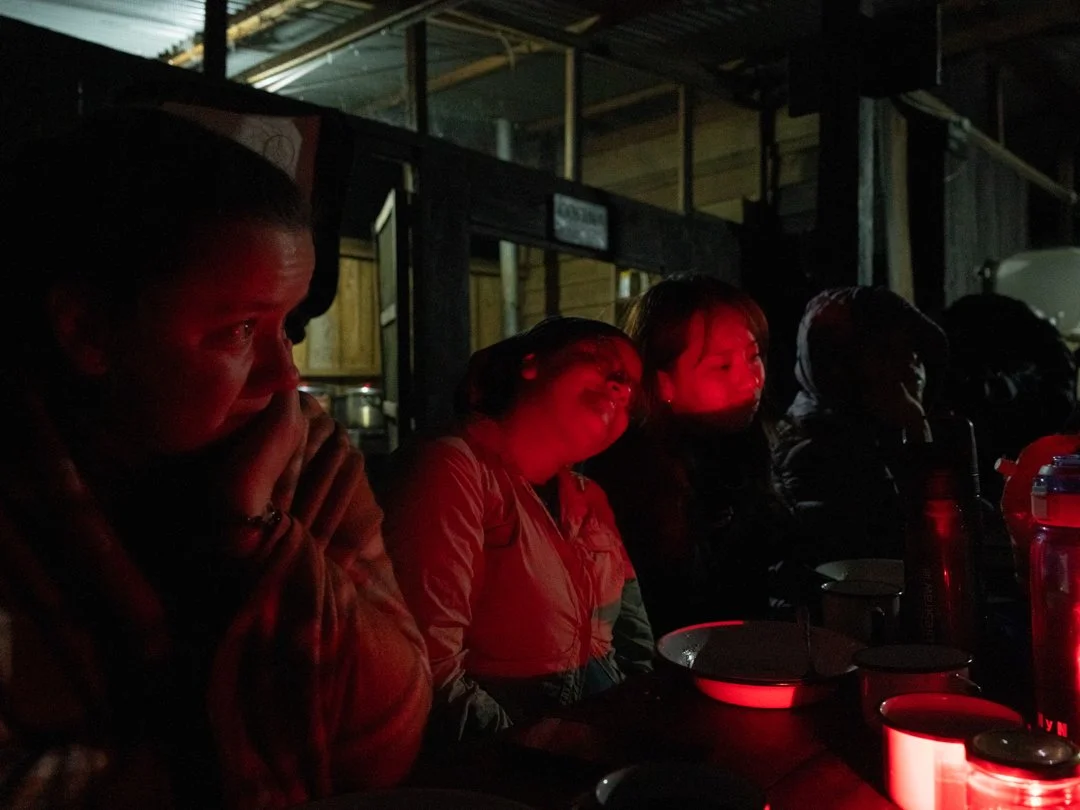
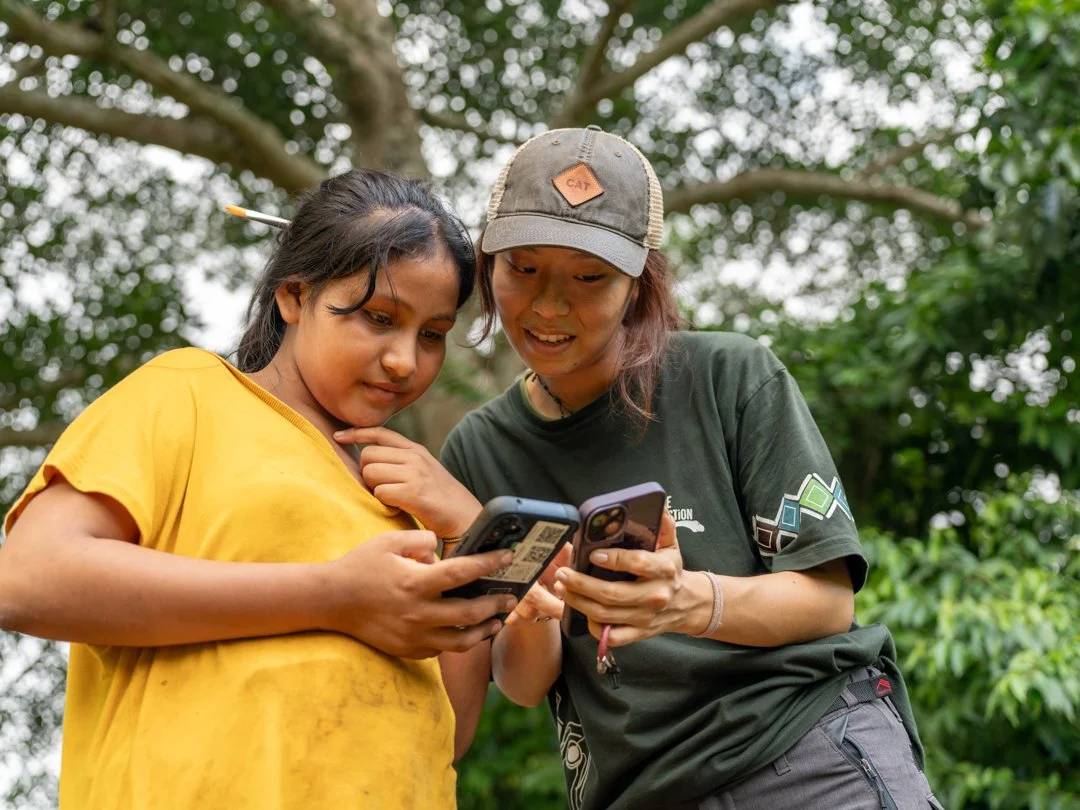
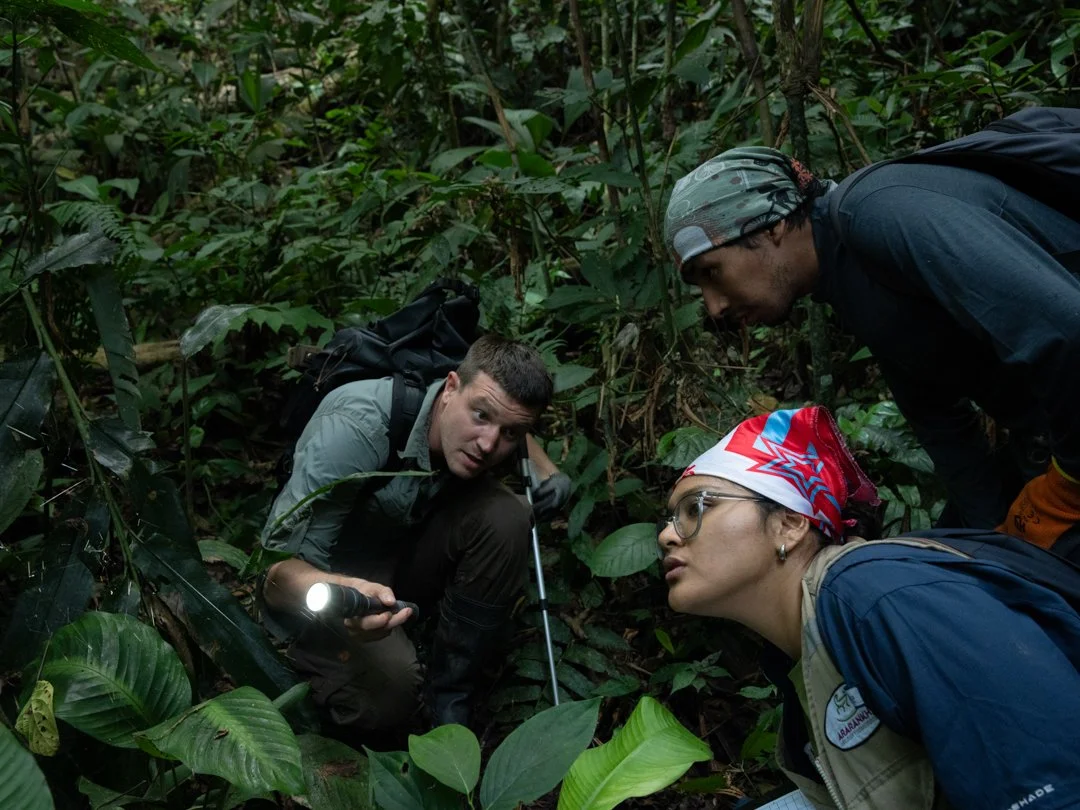
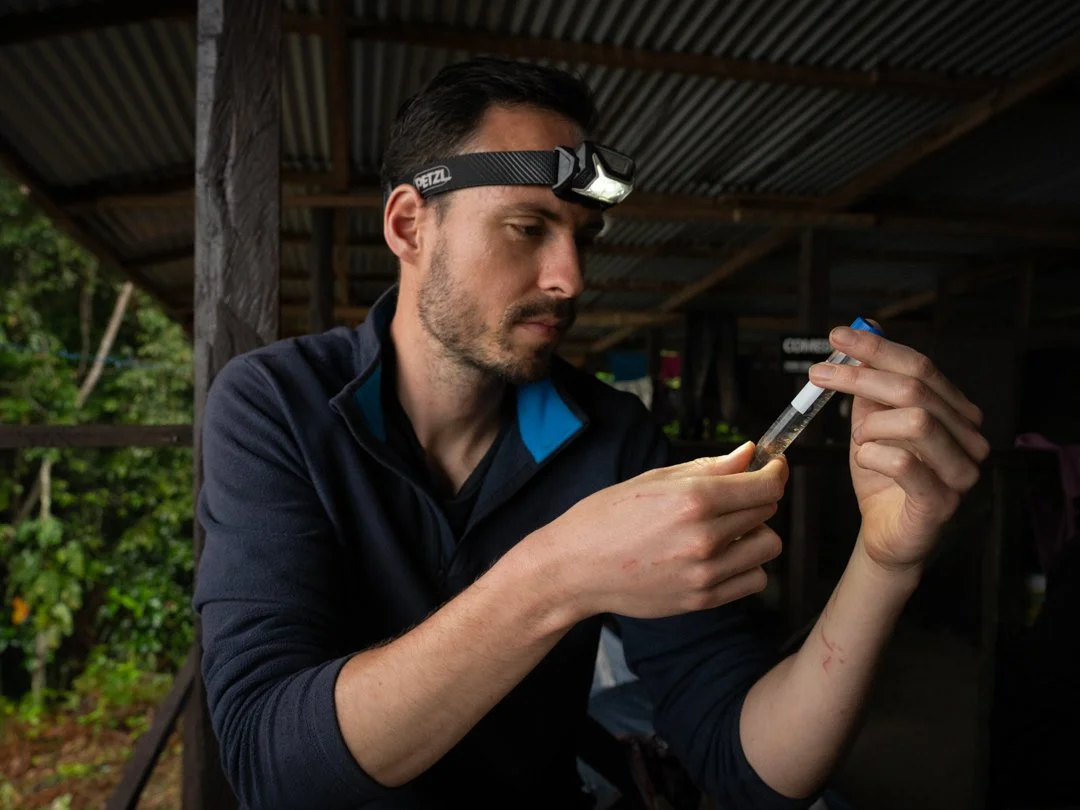
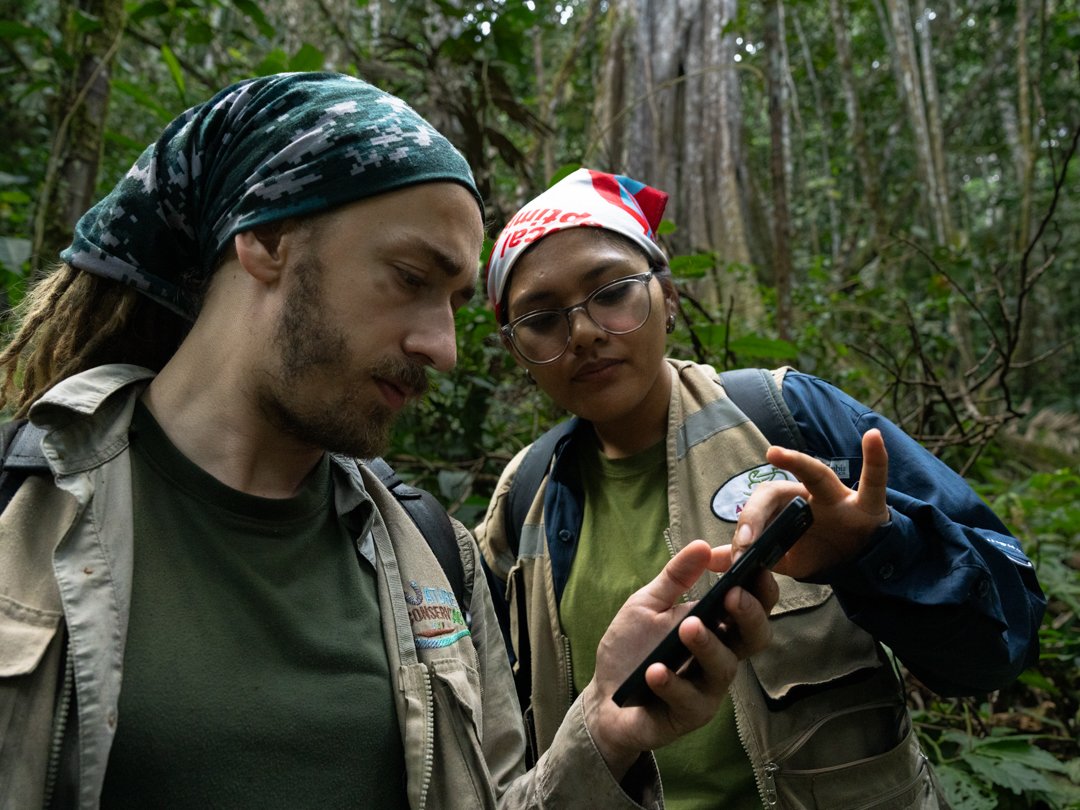
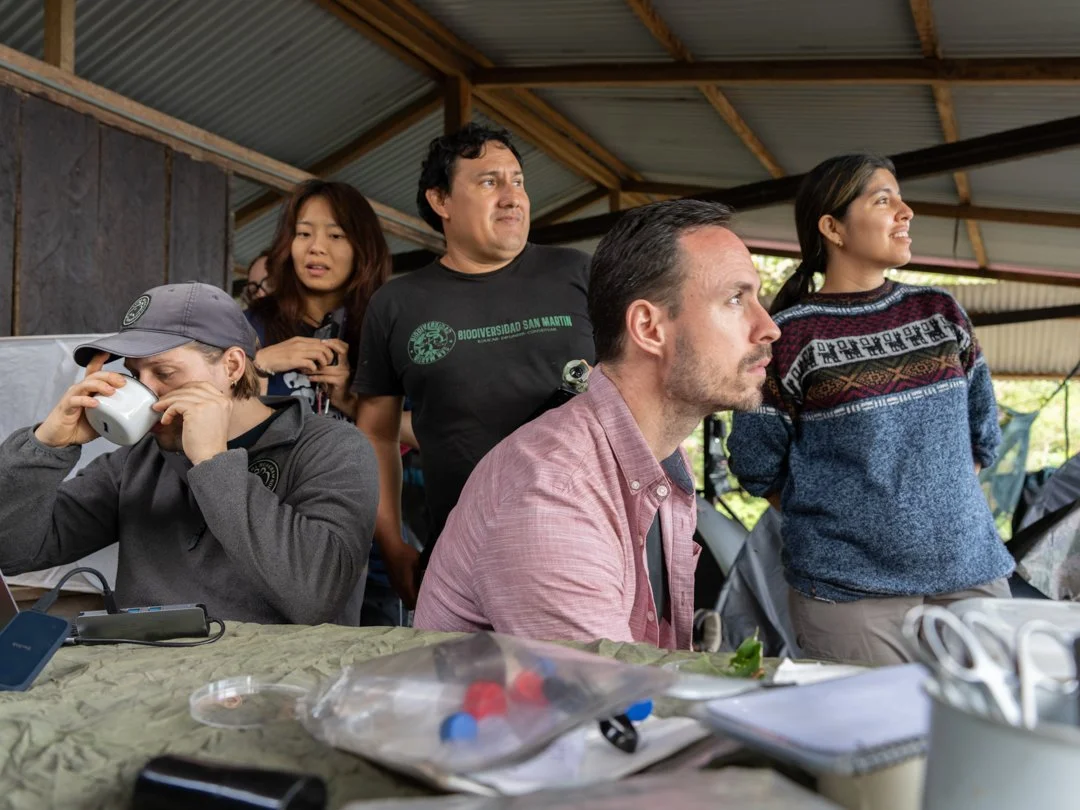
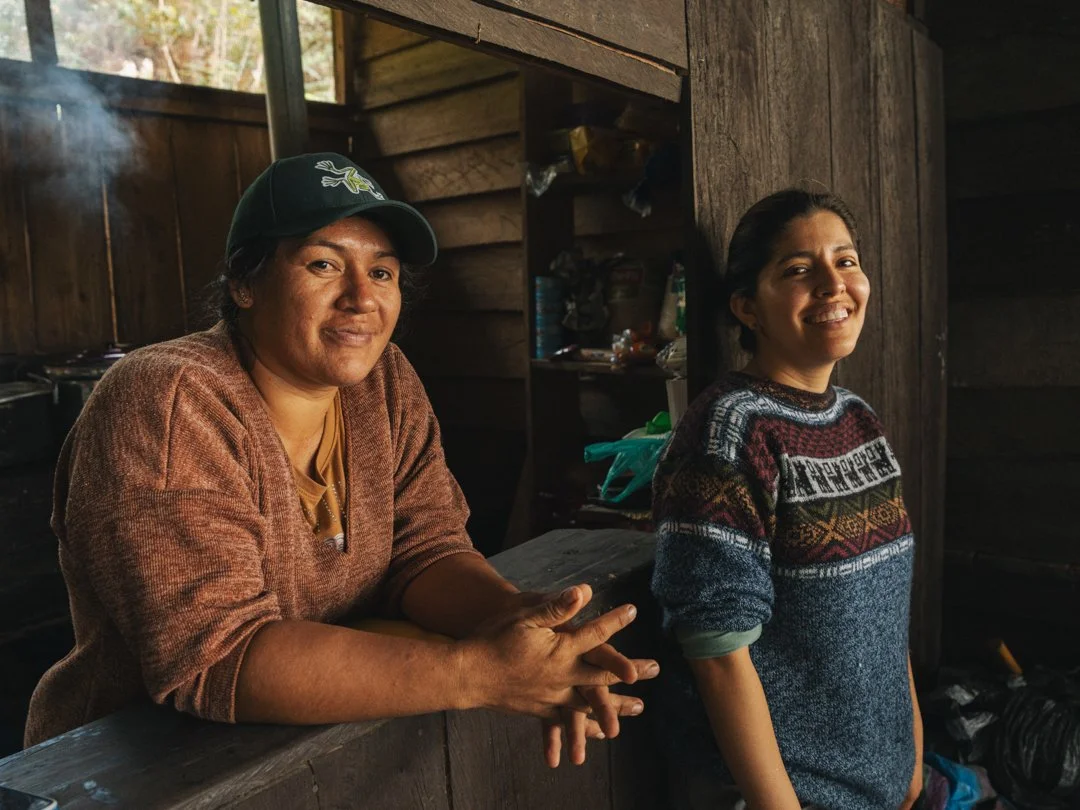
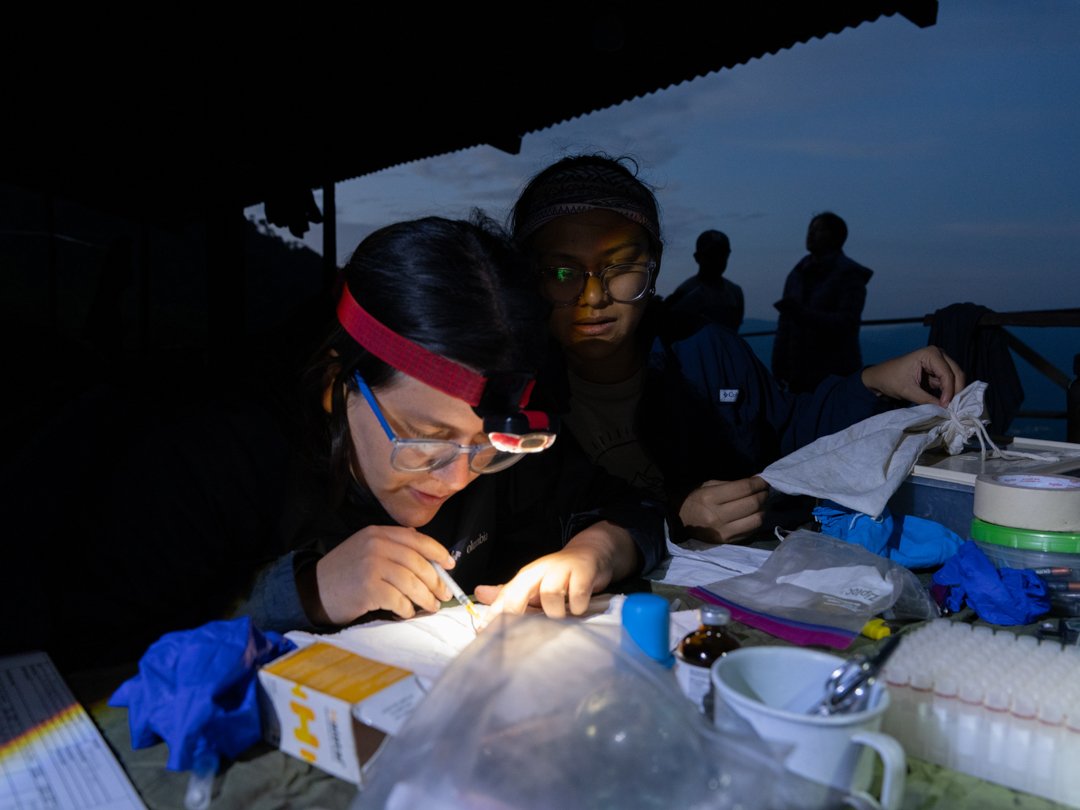
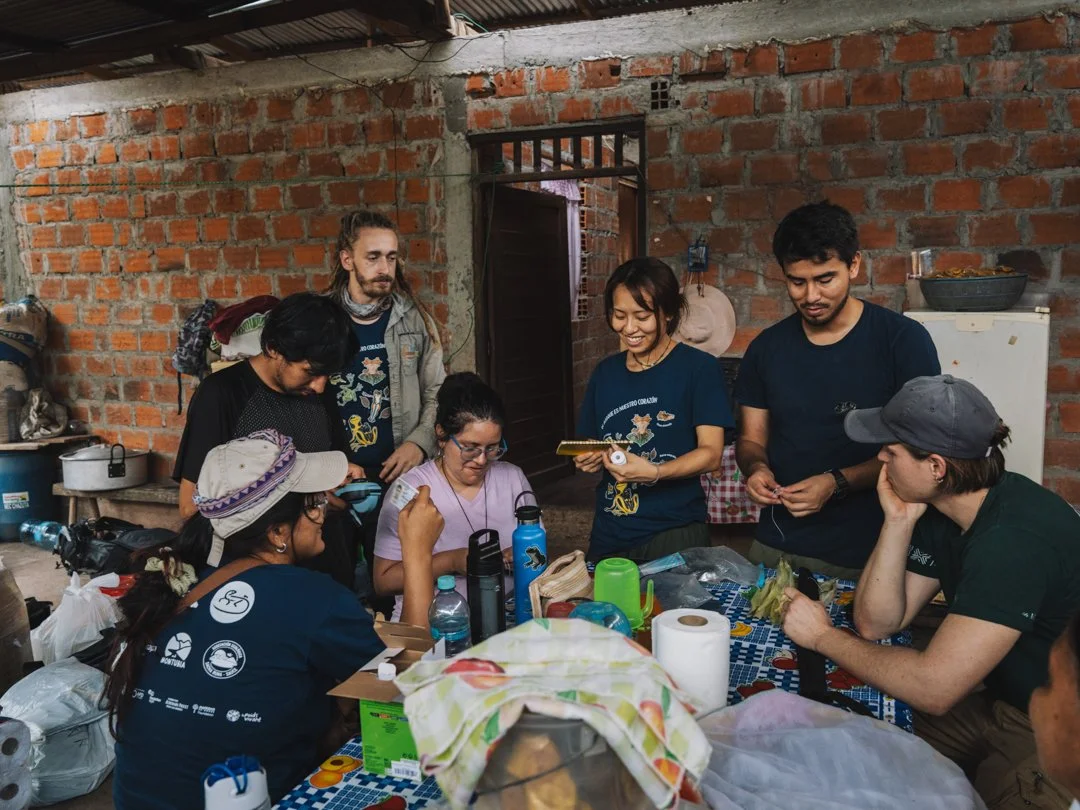
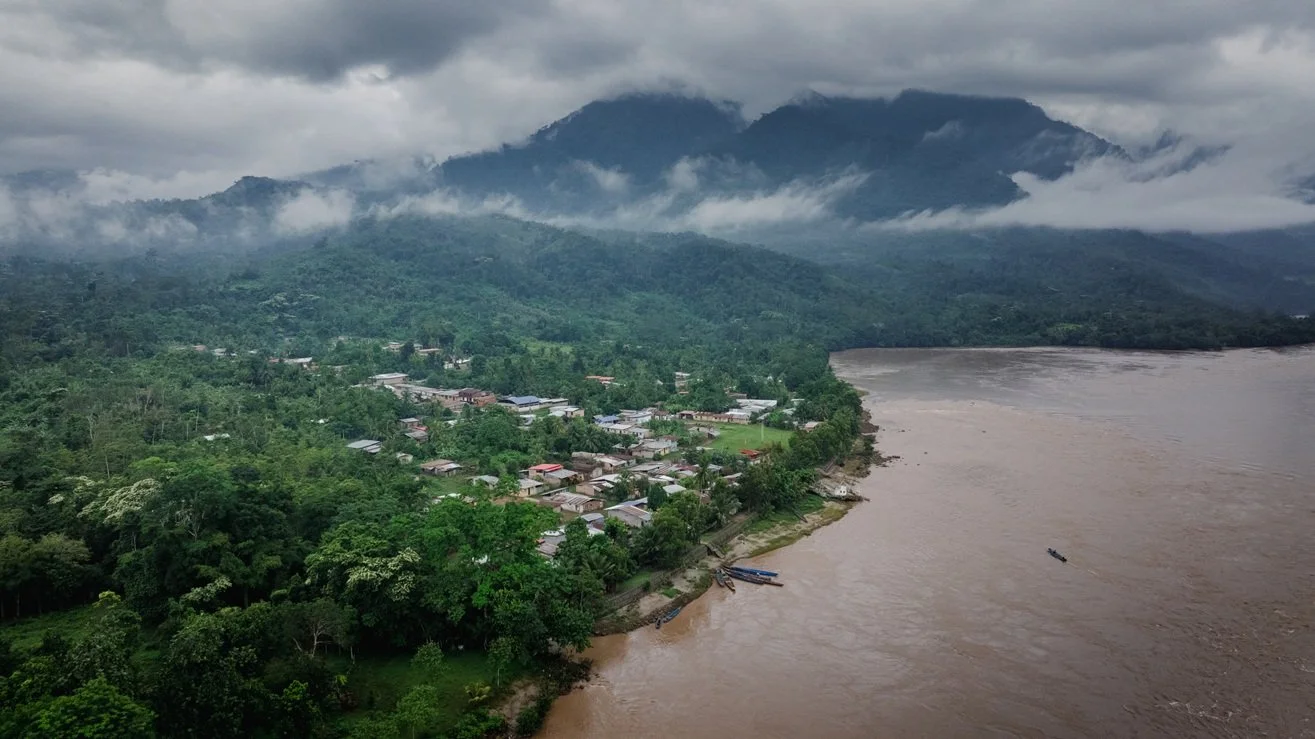
Scientific research is essential for conservation, but it can be difficult for the general public to visualize. Working with The Nature Conservancy in the Peruvian Amazon, my task was to translate complex biodiversity data and field research into a compelling visual narrative. I needed to capture the invisible work of conservationists—the monitoring of water security, the mapping of rare species and, above all, the human side of conservation work.

Location: Peru
Storytelling in the middle of the rainforest.
The Approach
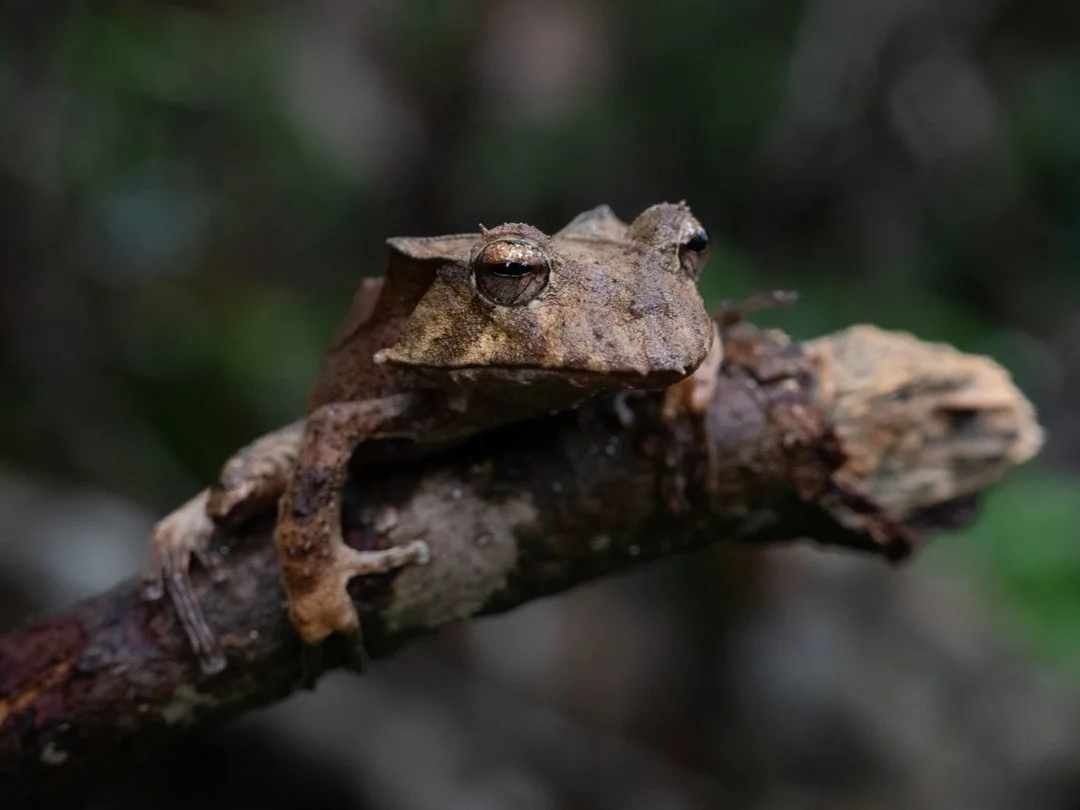
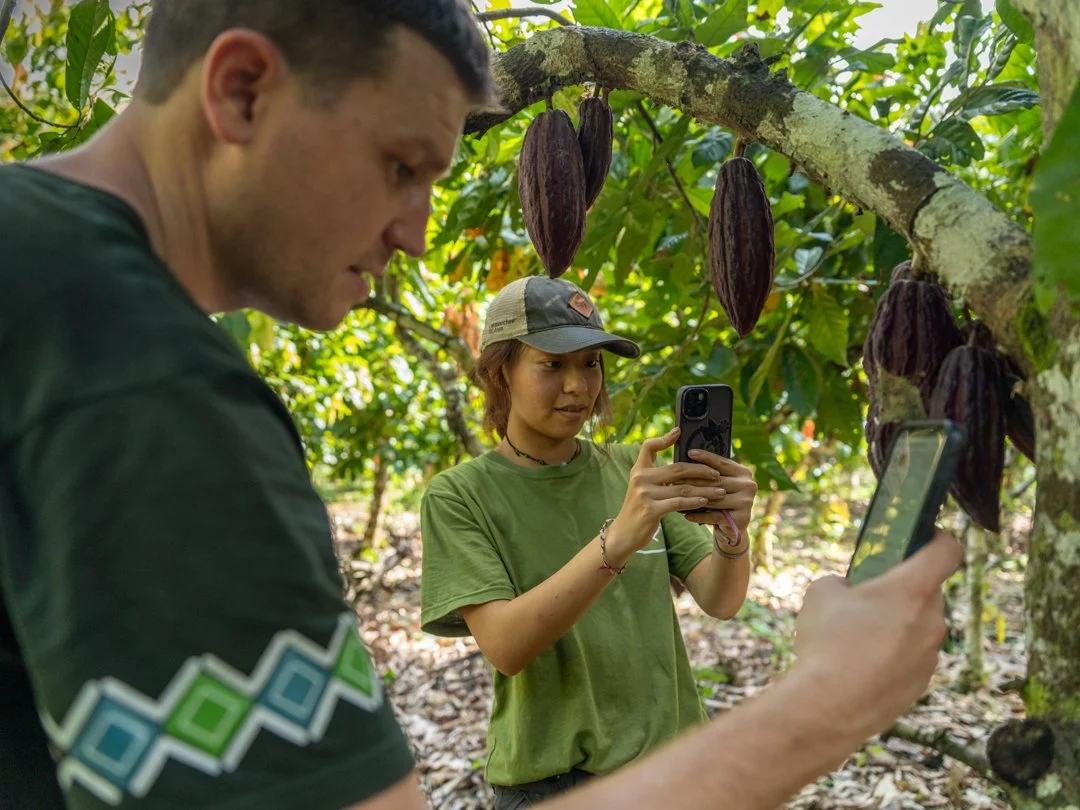
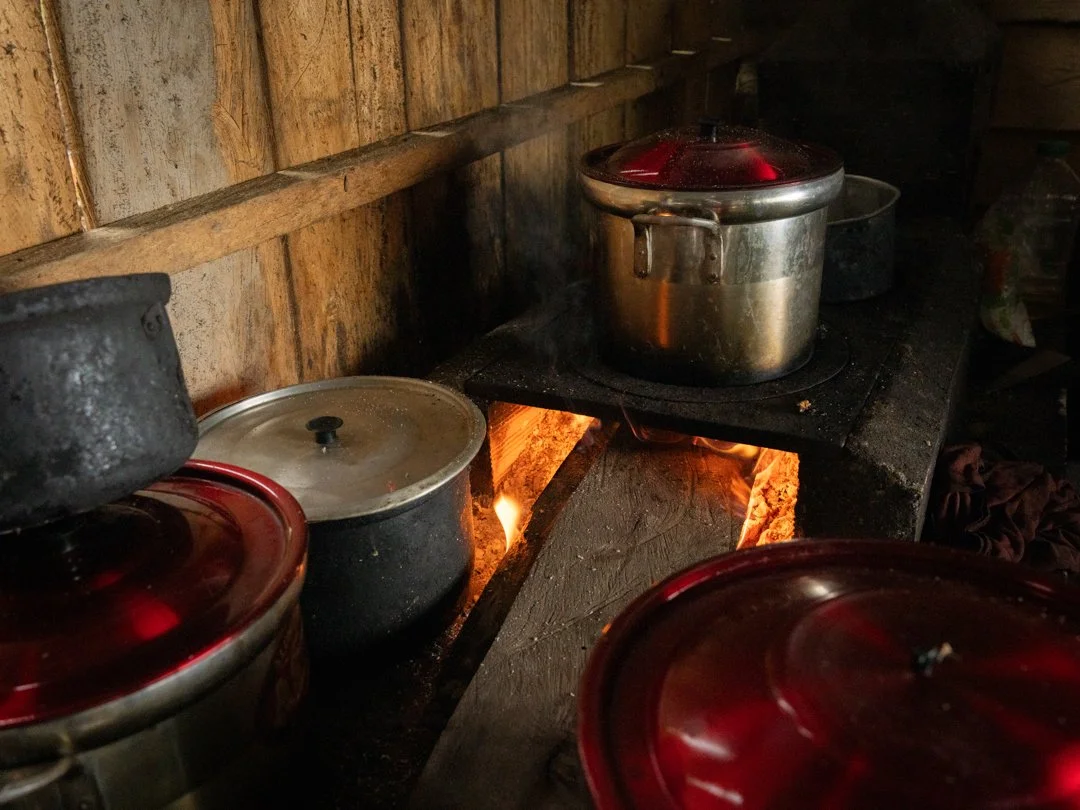
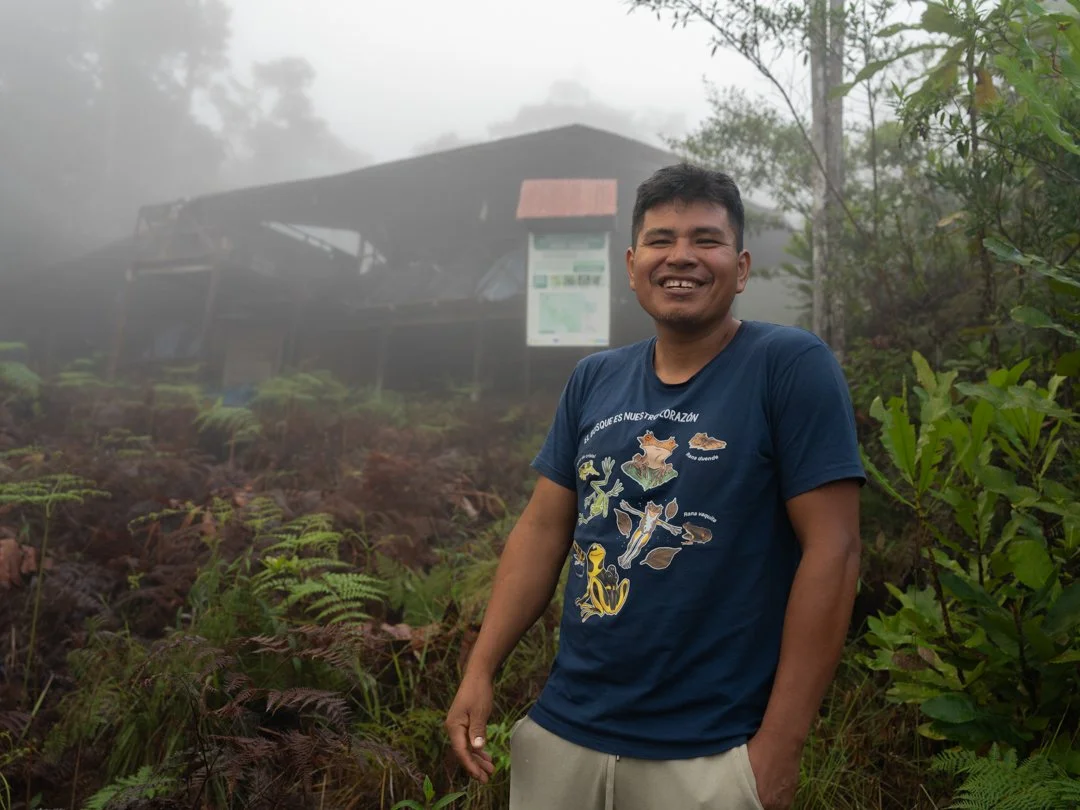
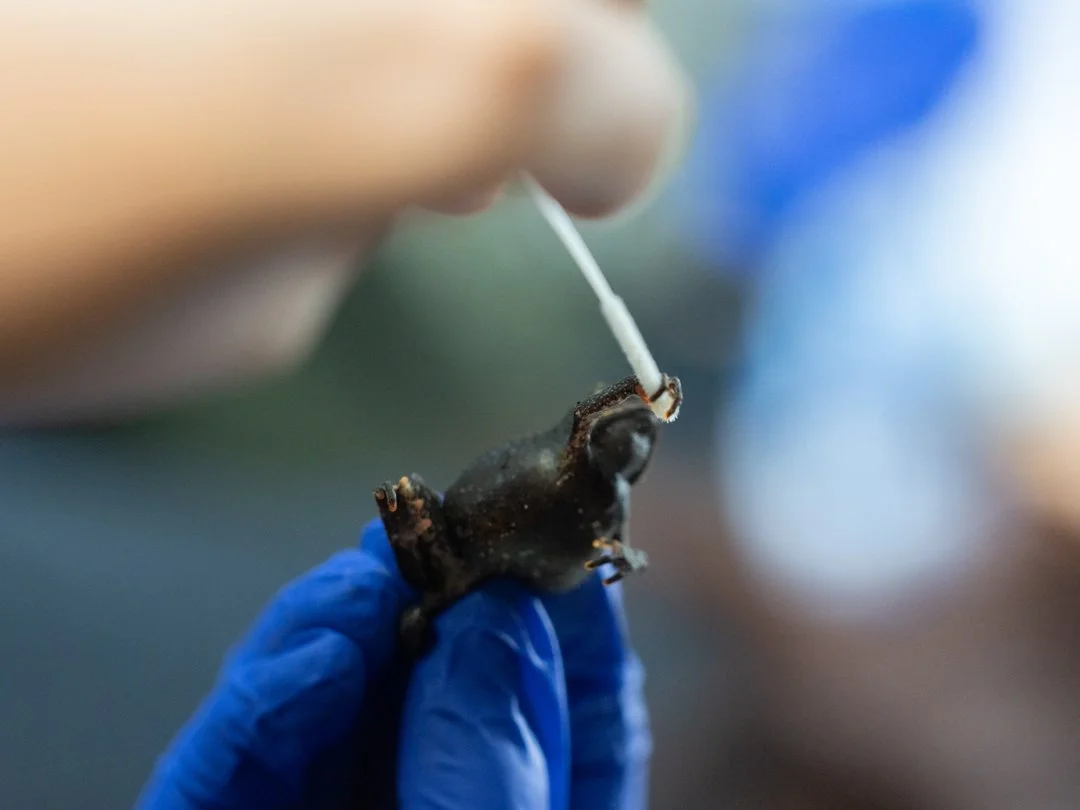
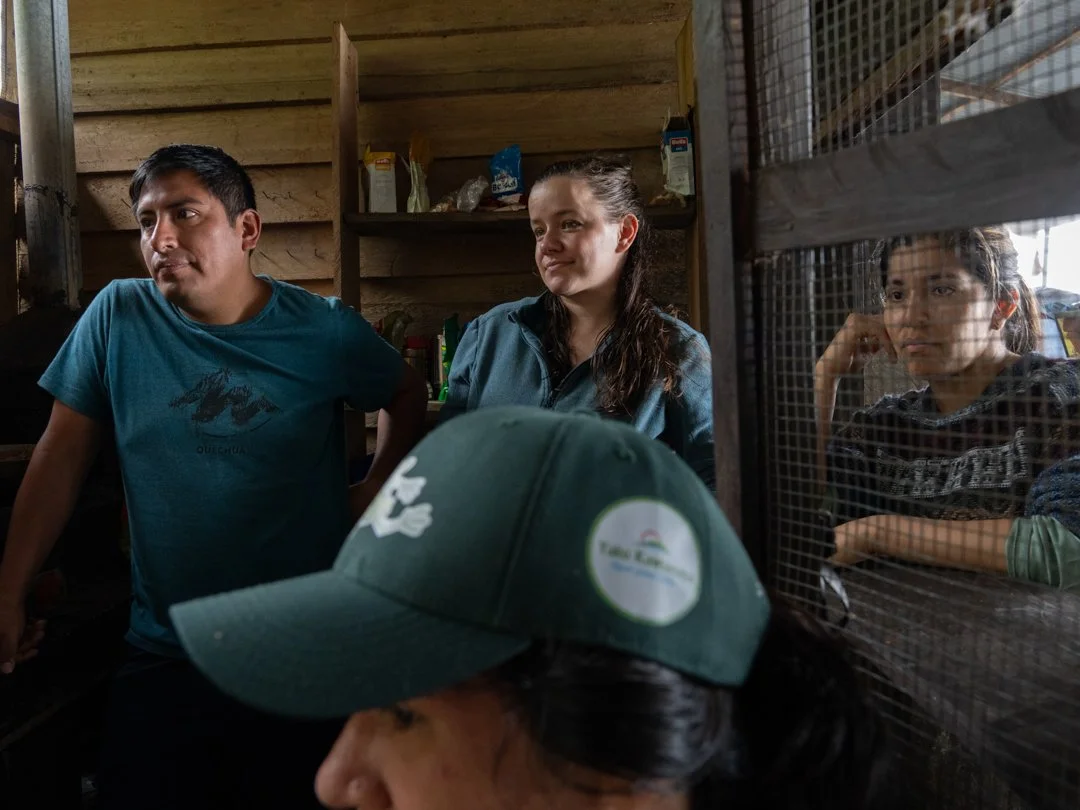
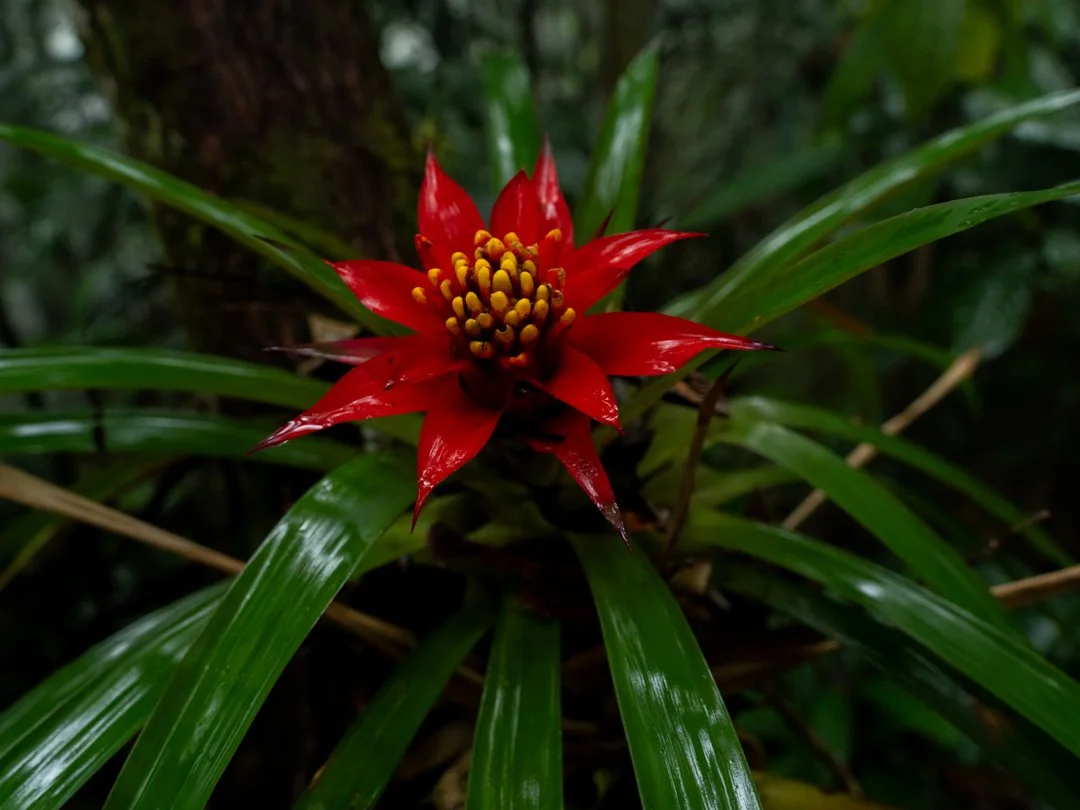
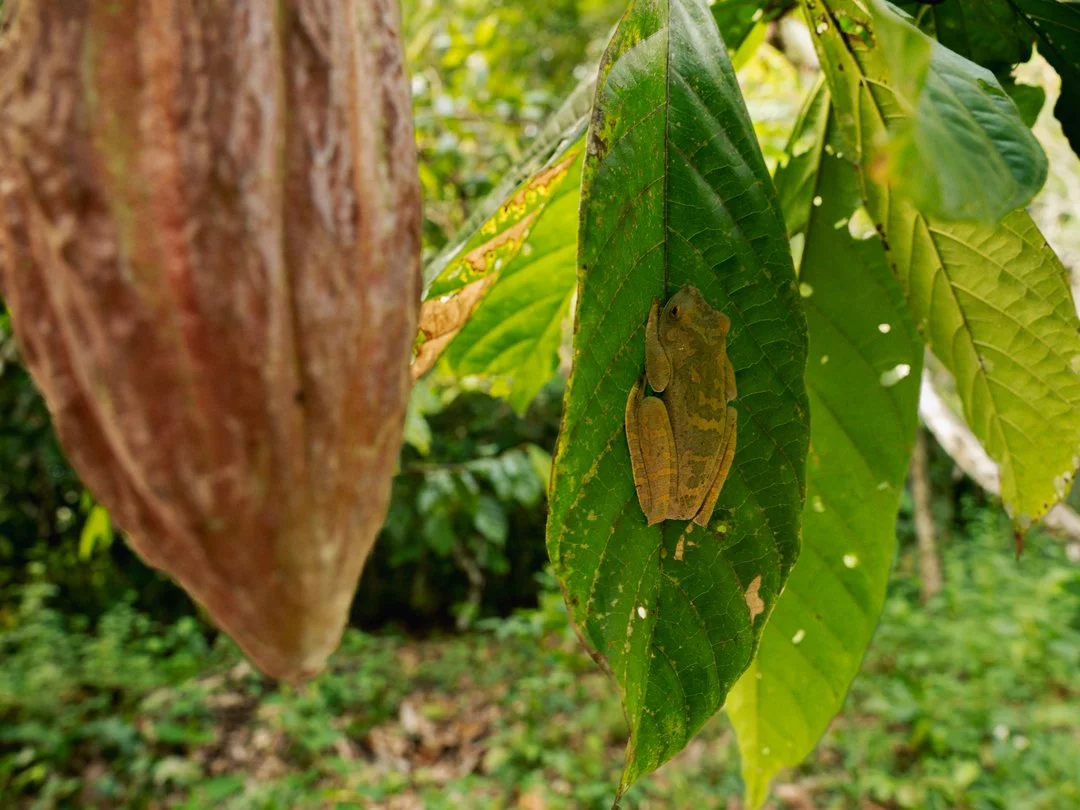
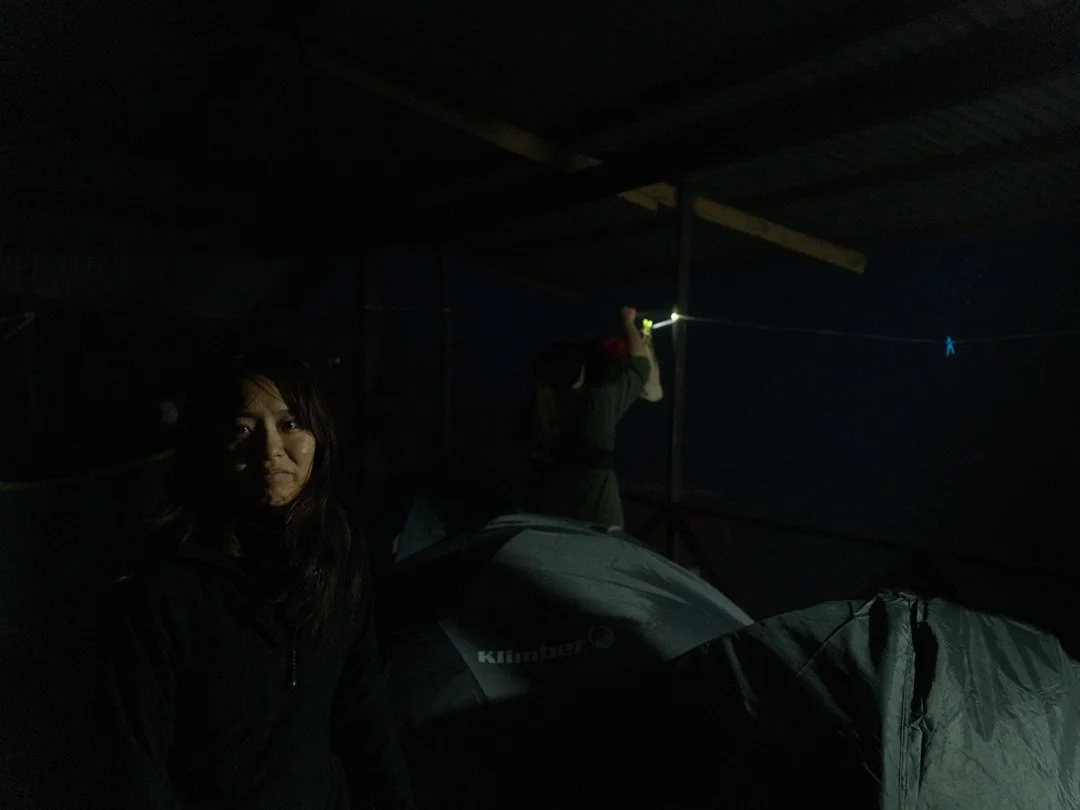
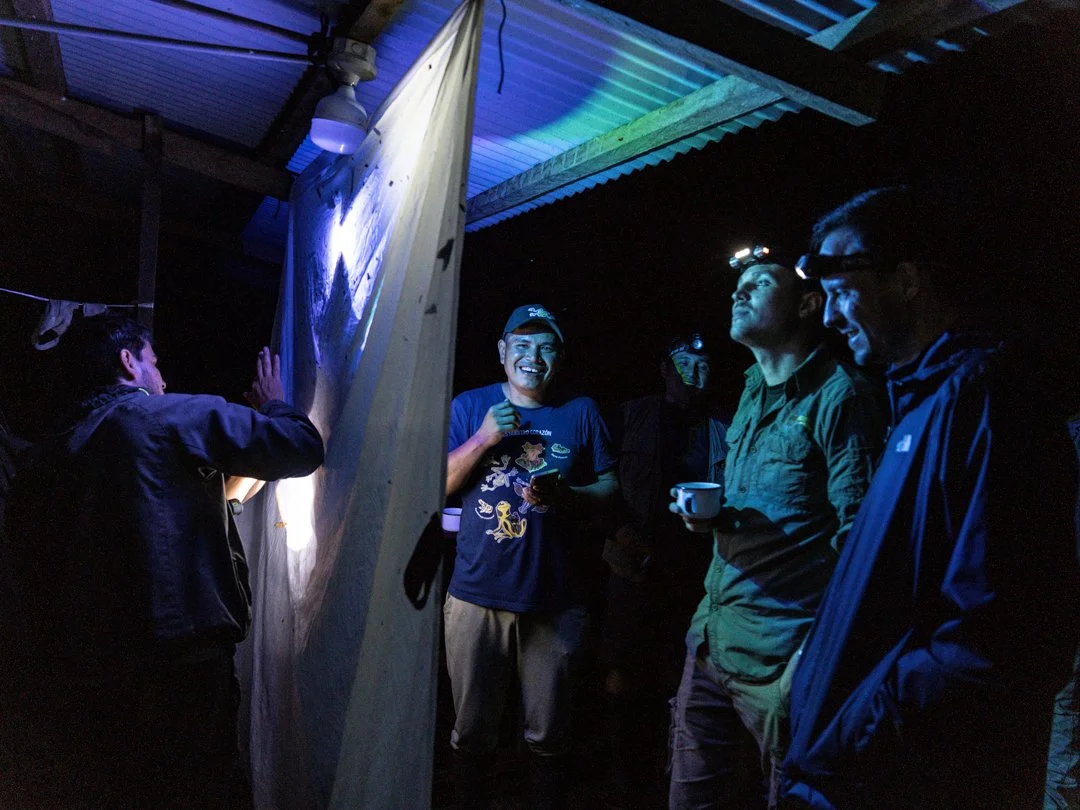
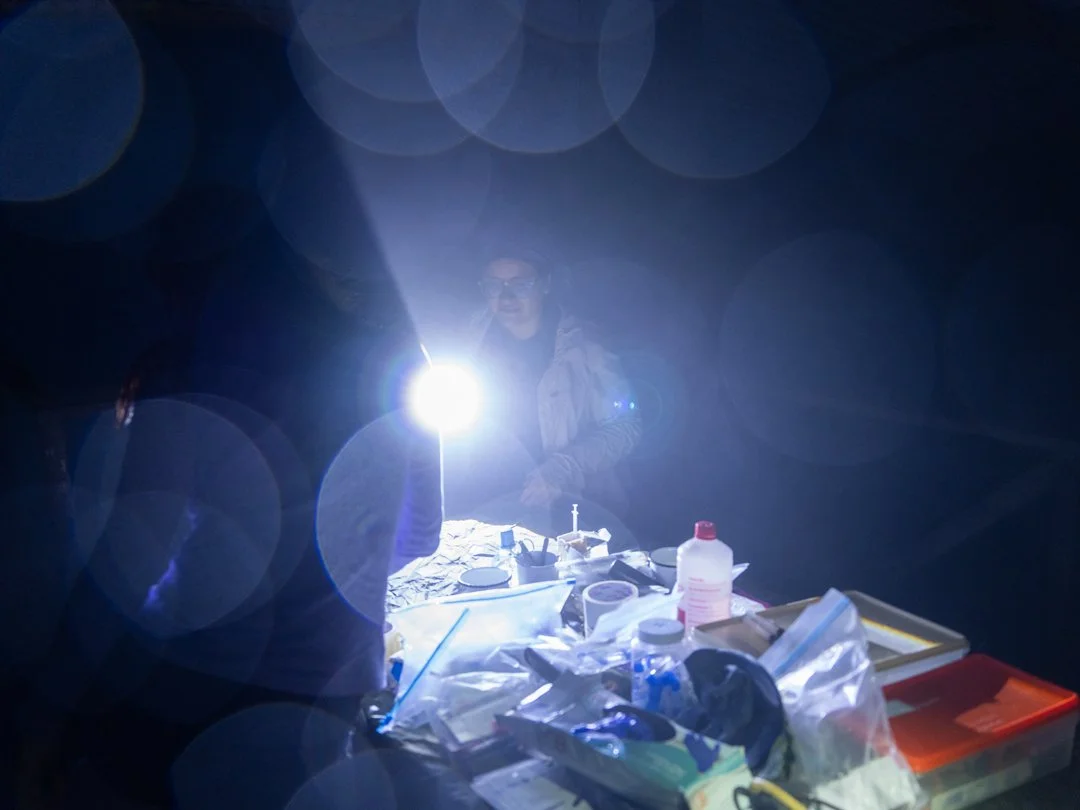
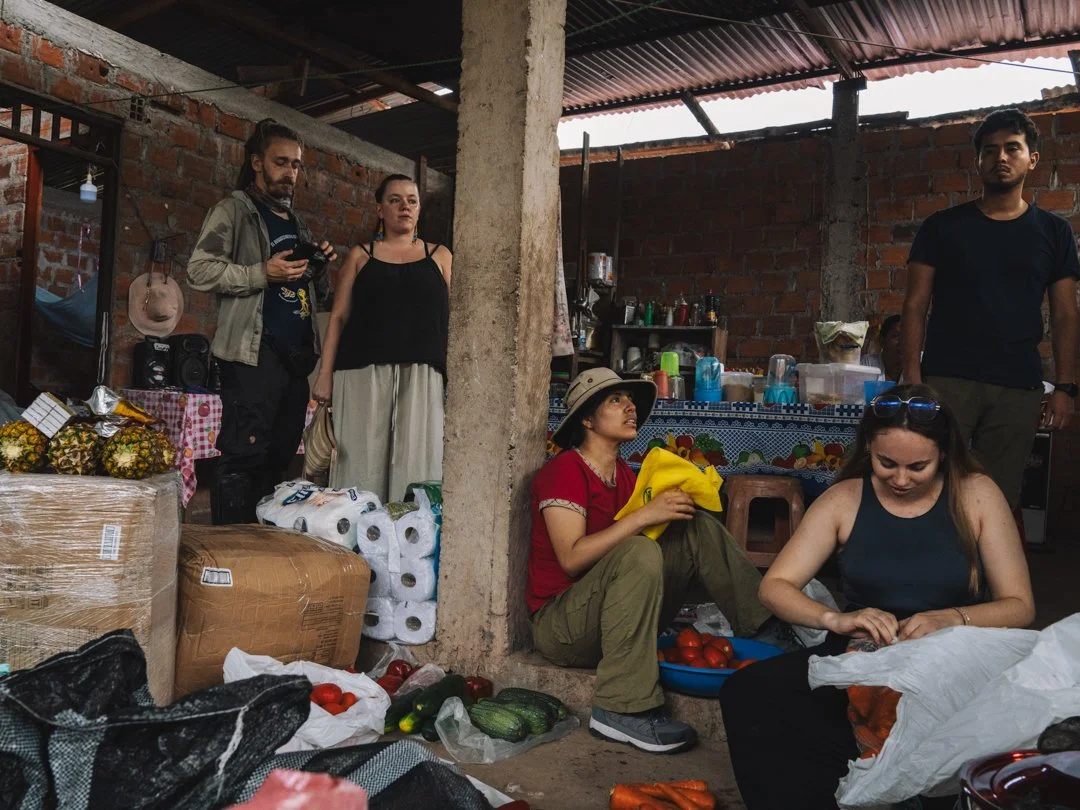
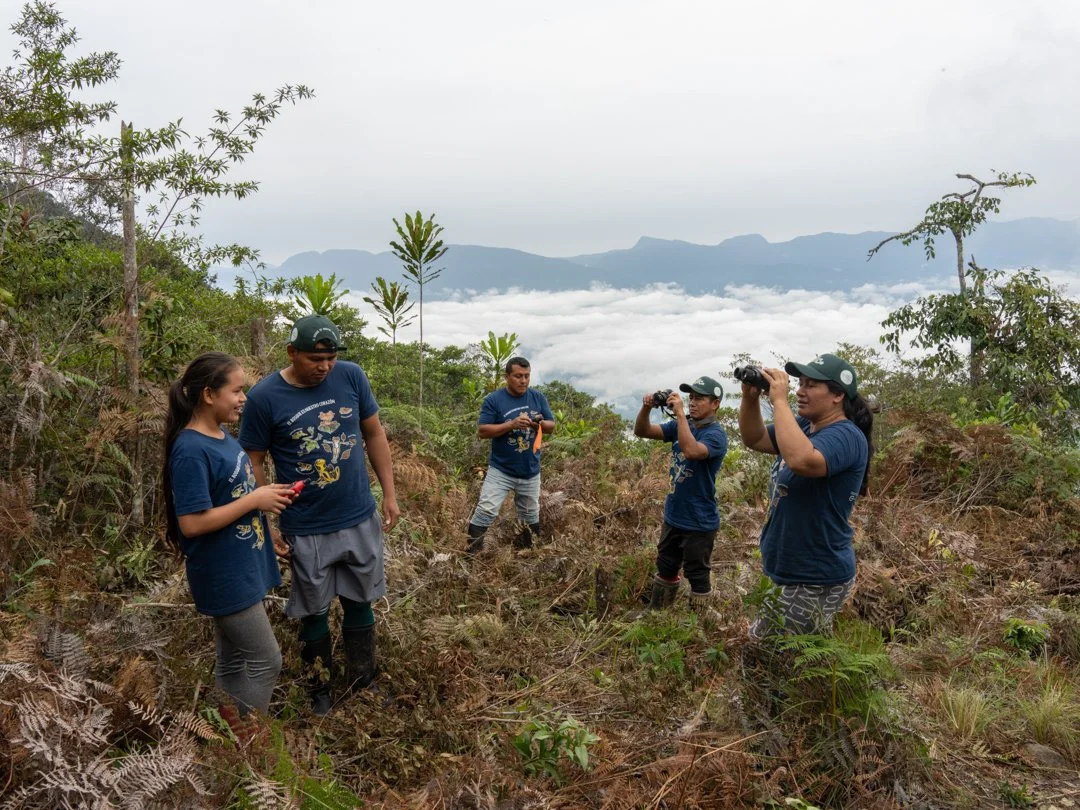
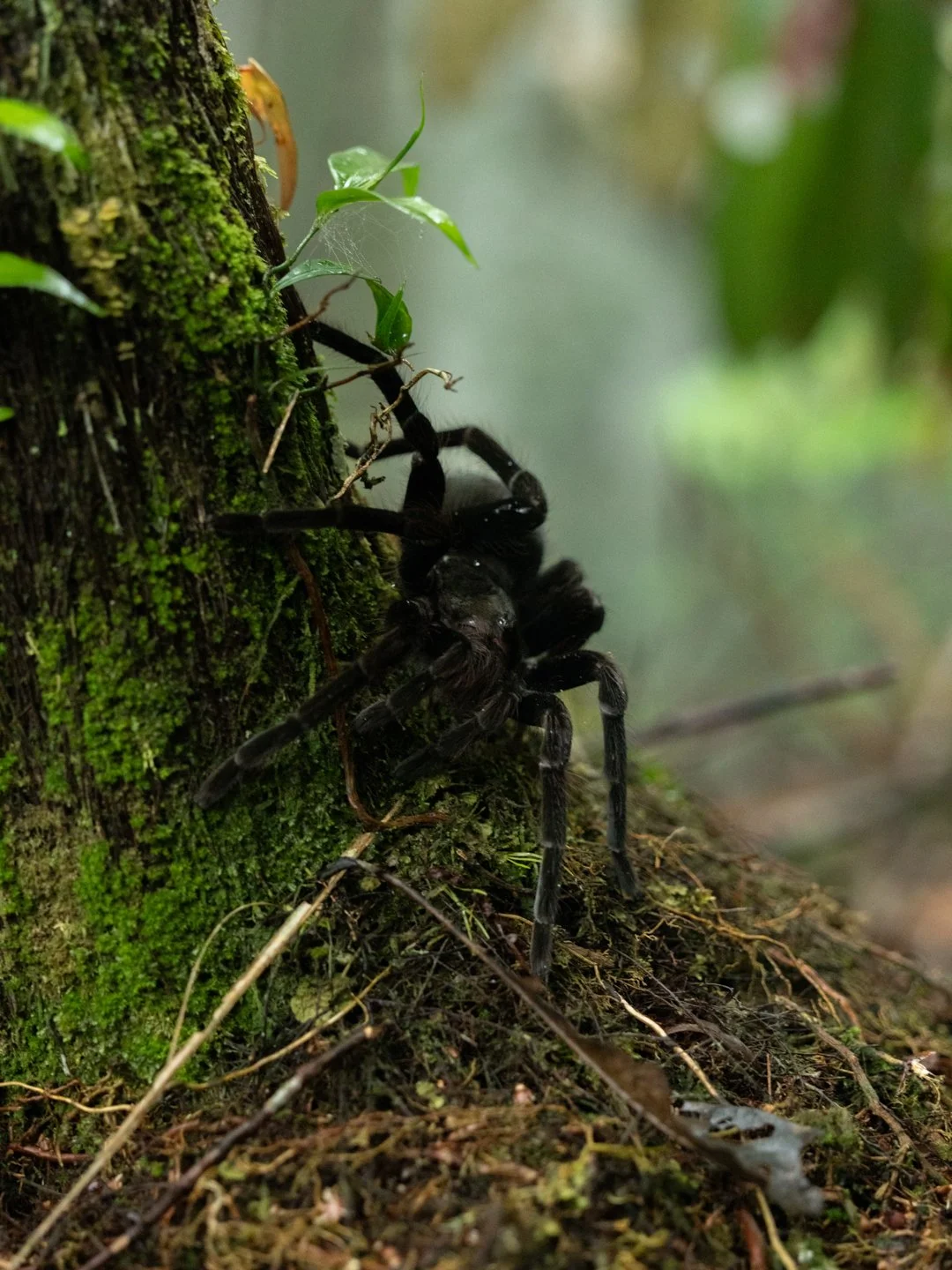
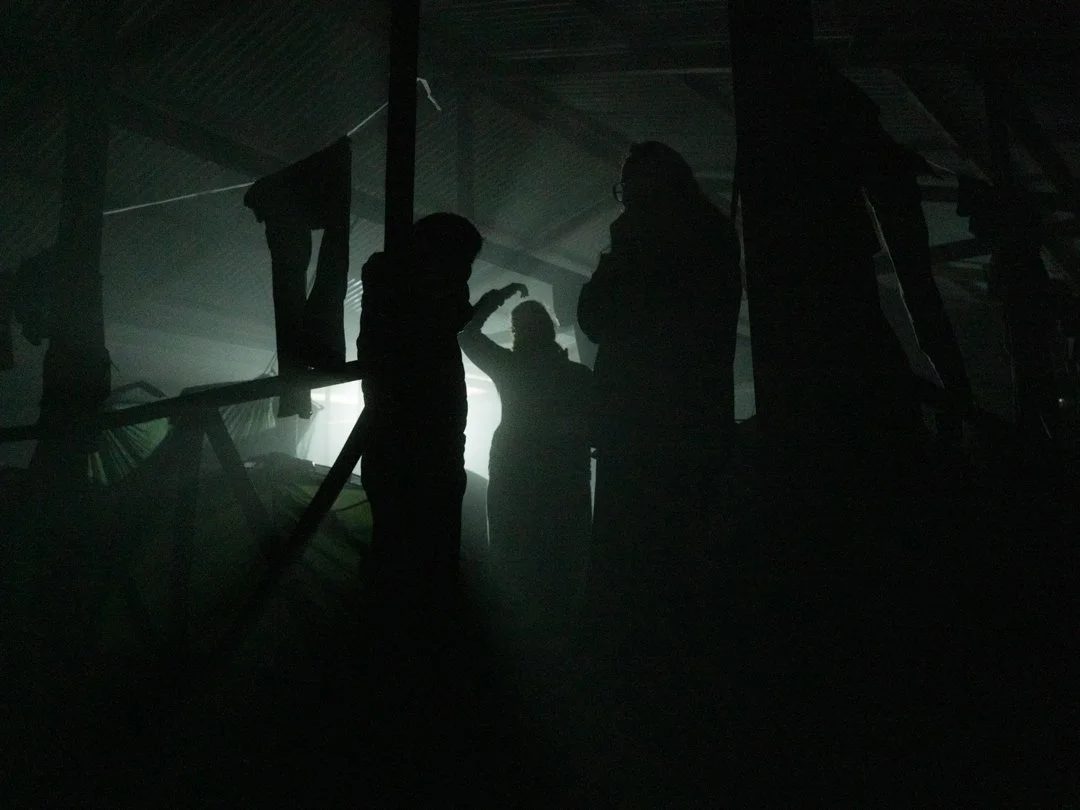
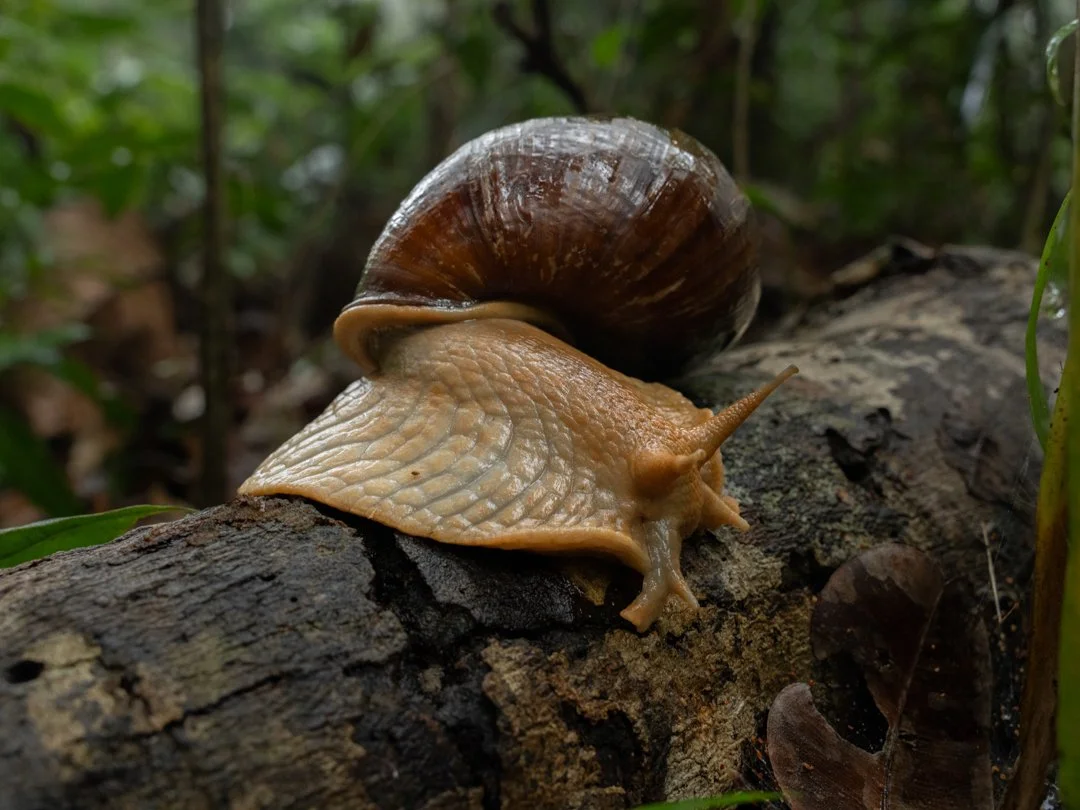
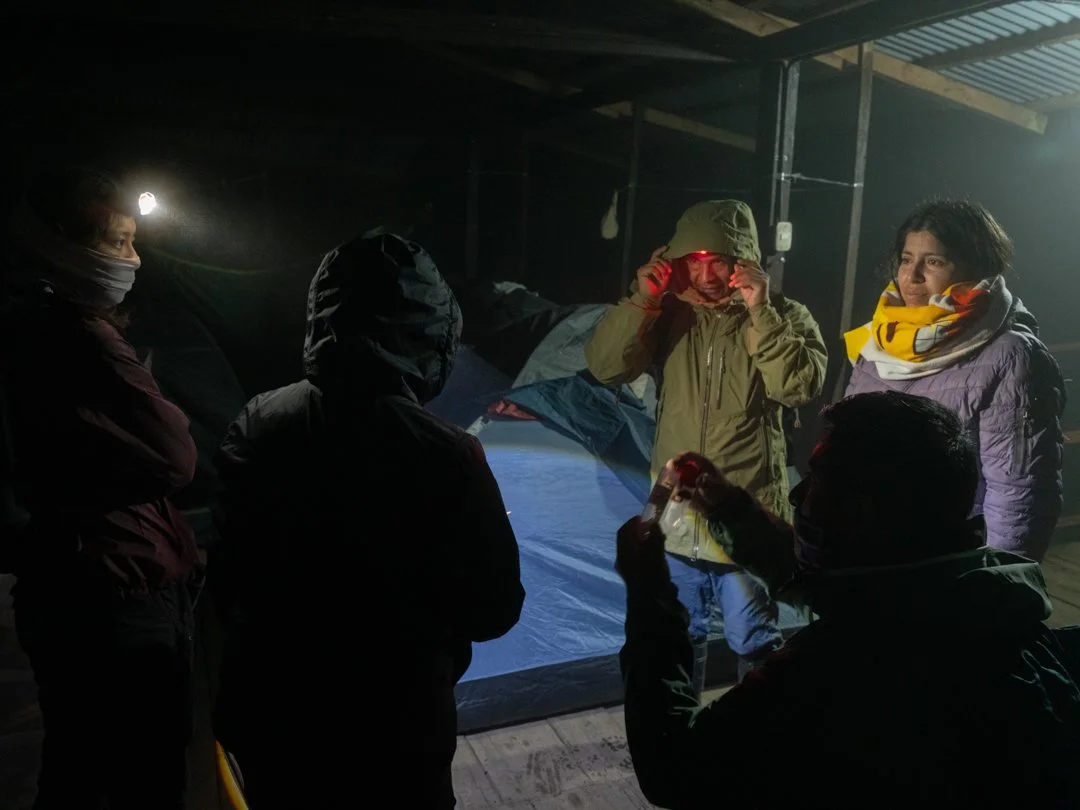
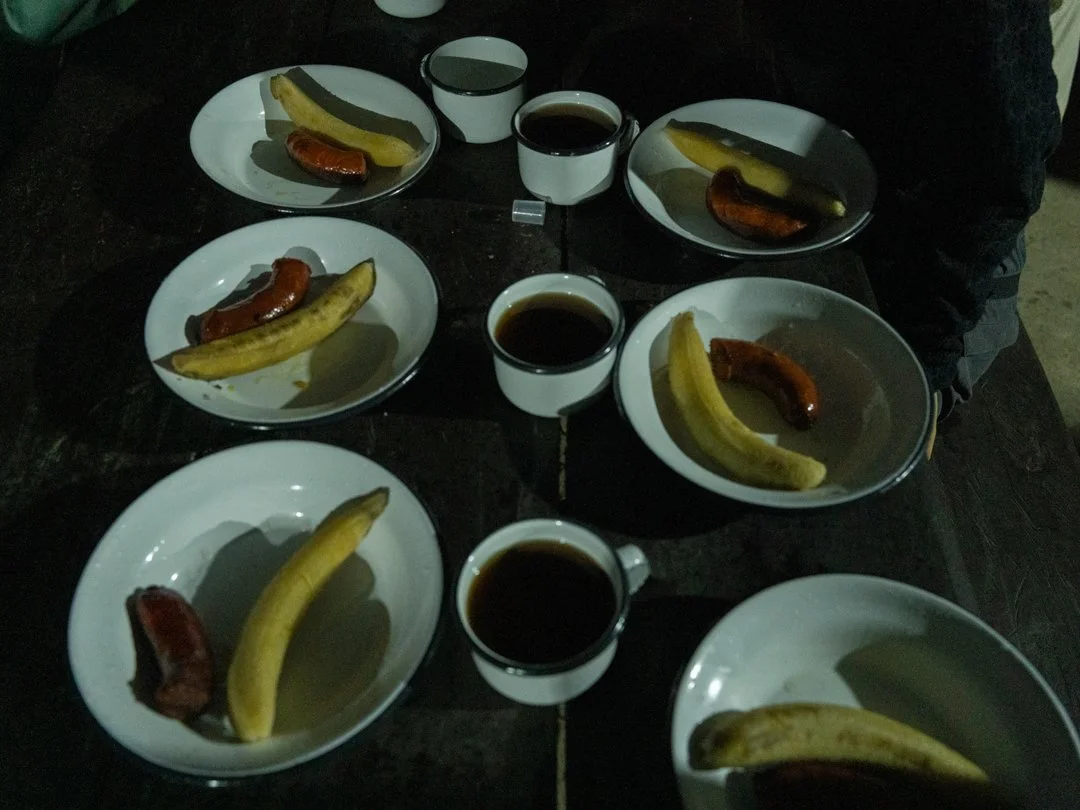
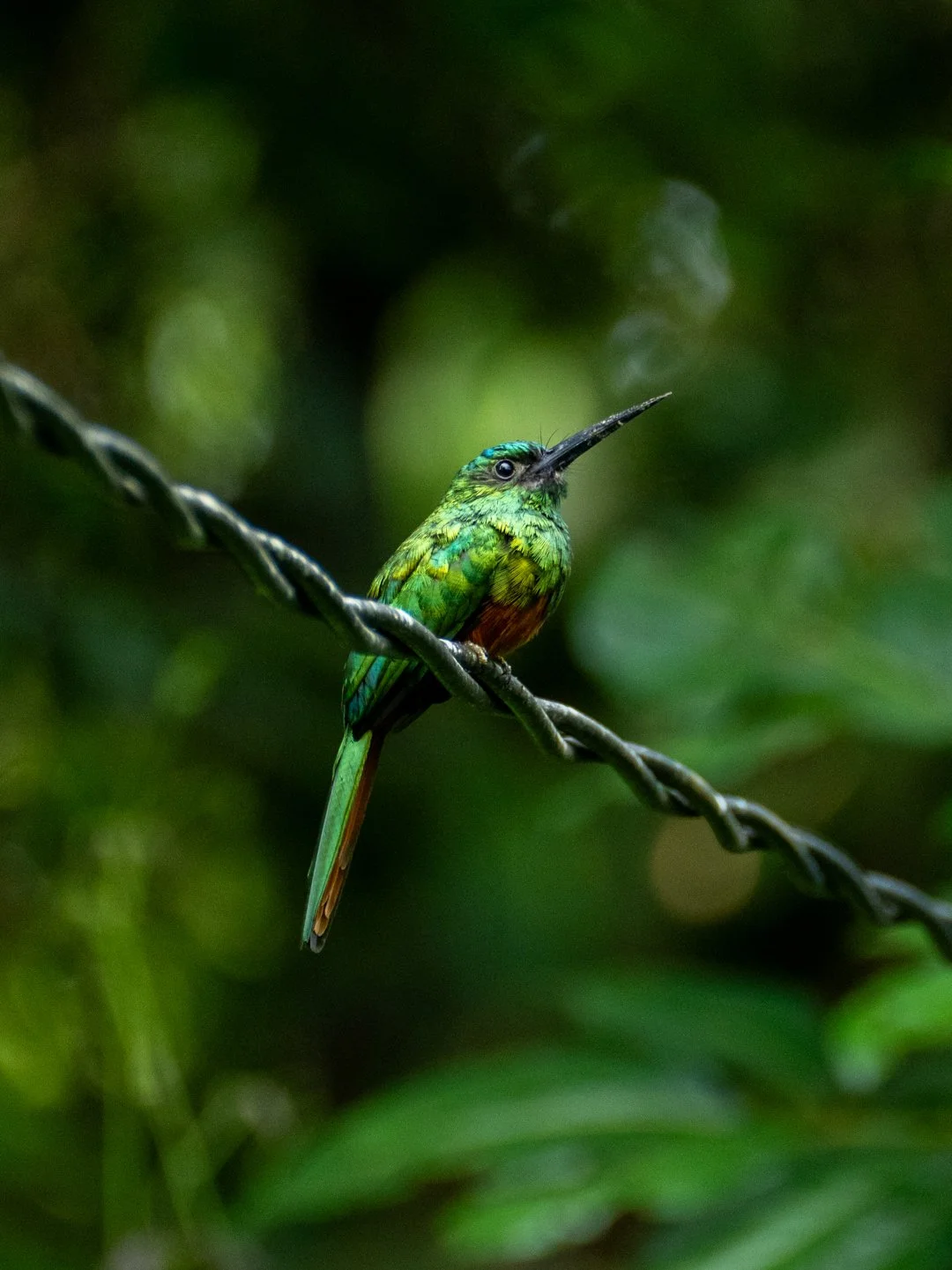
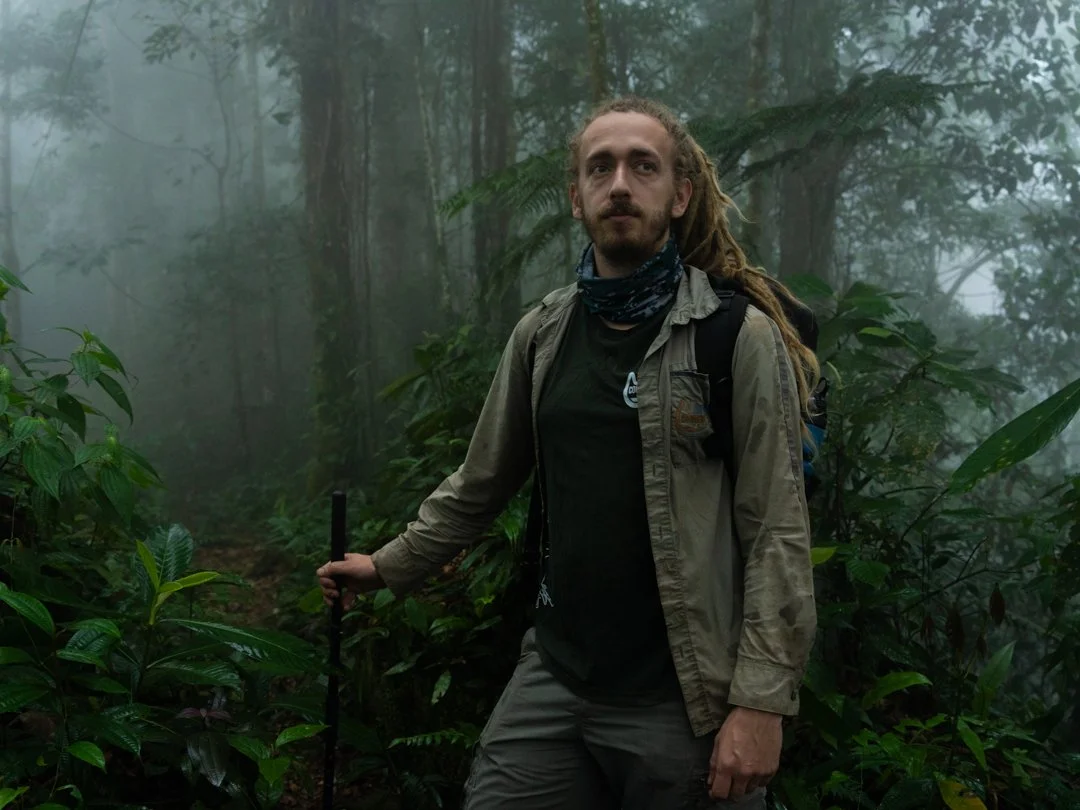
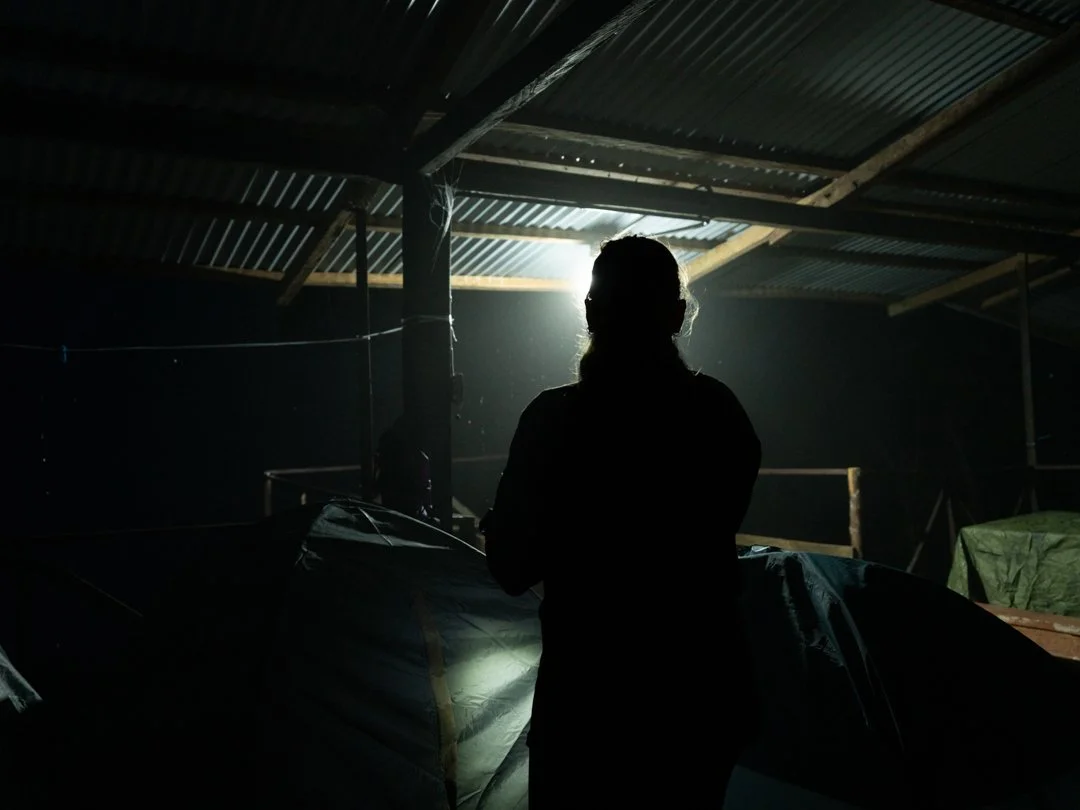
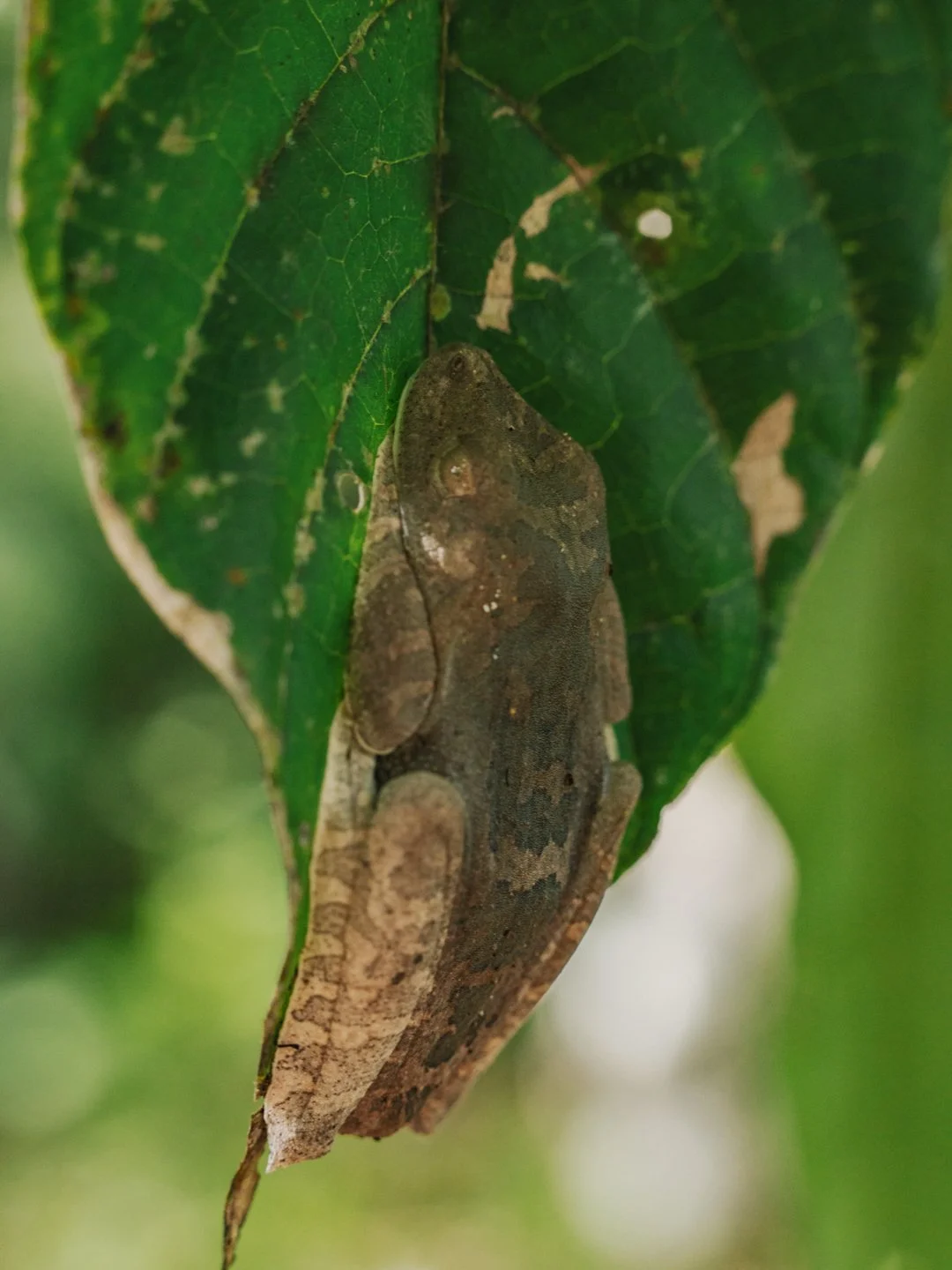
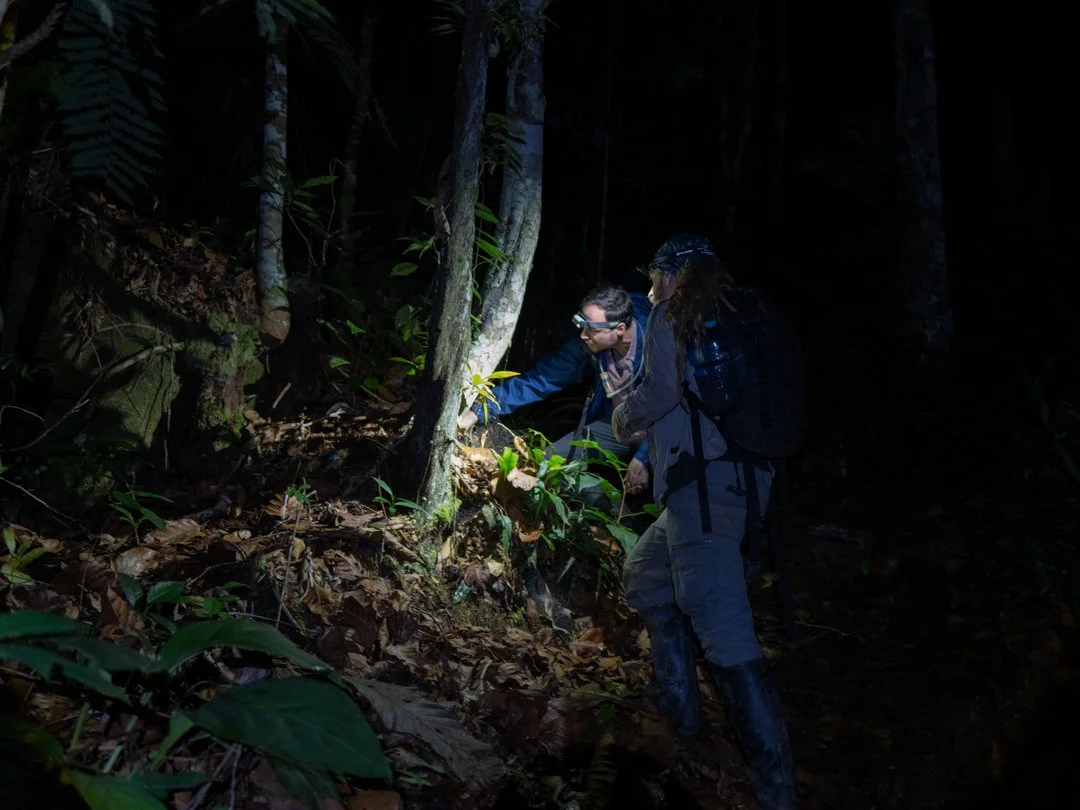
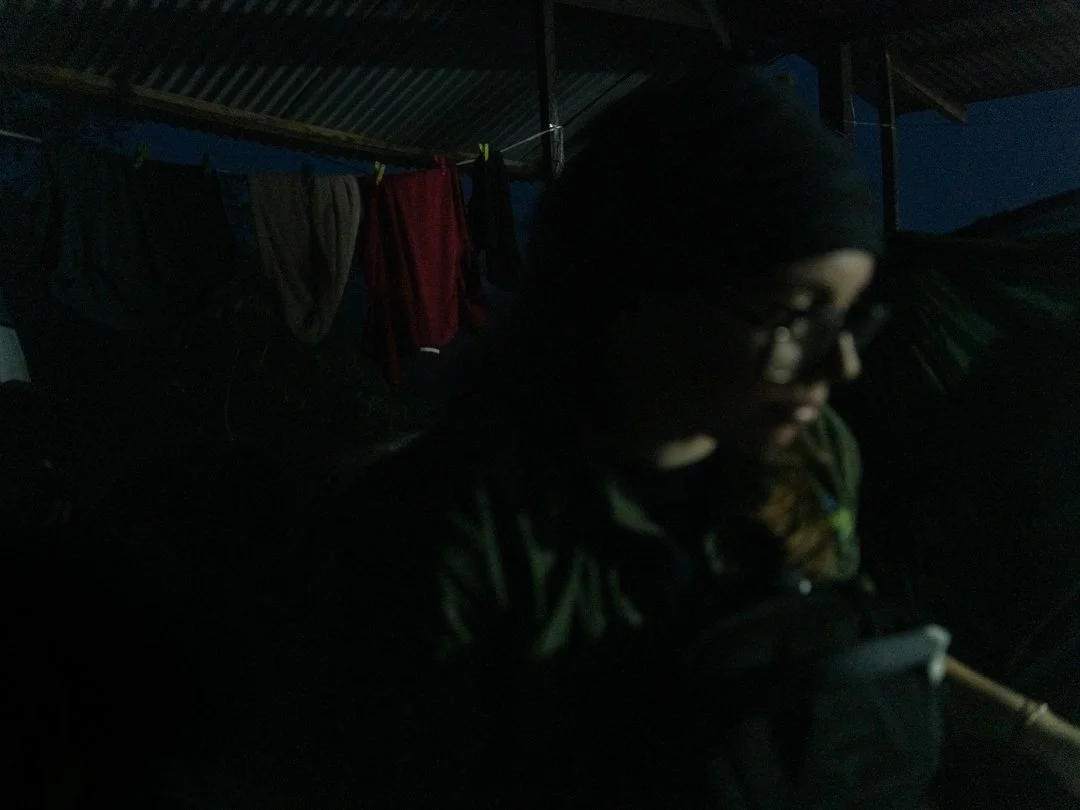
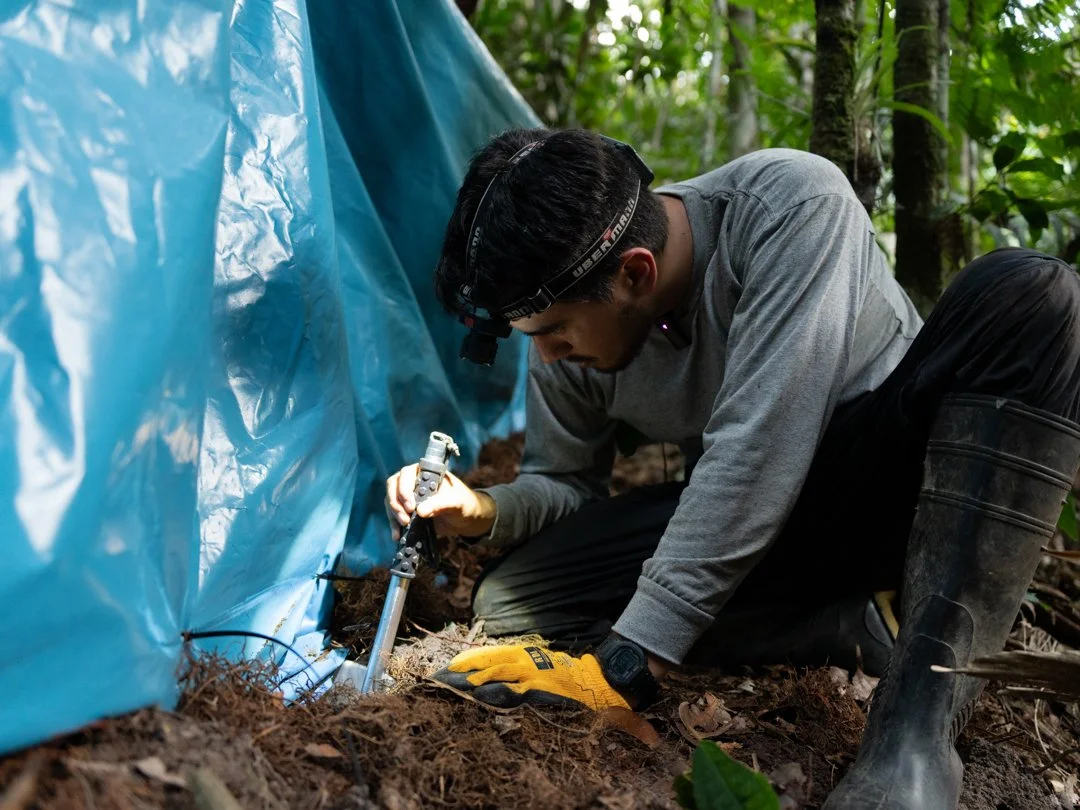
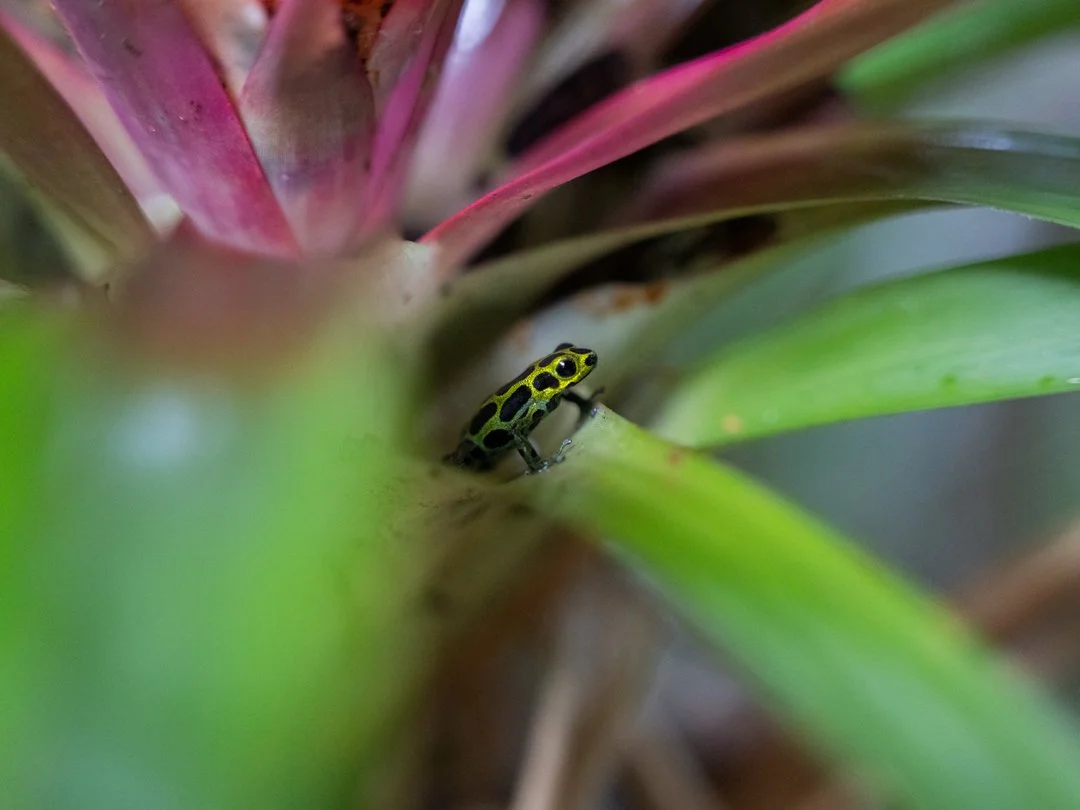
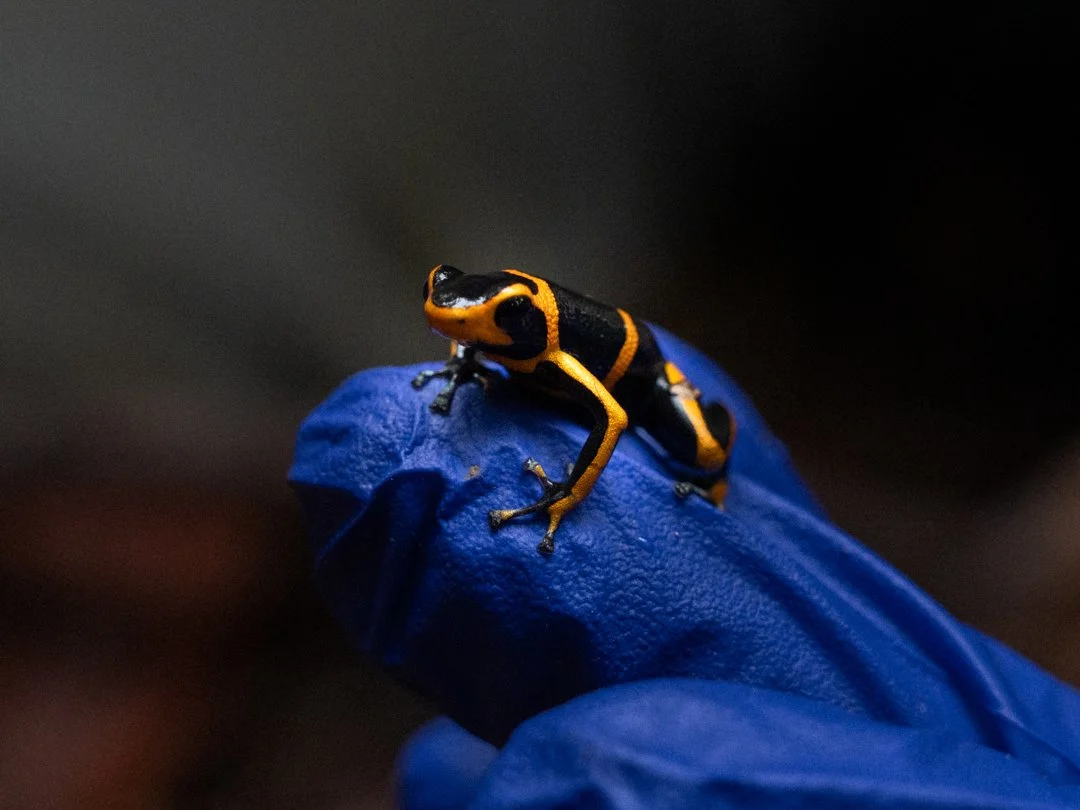
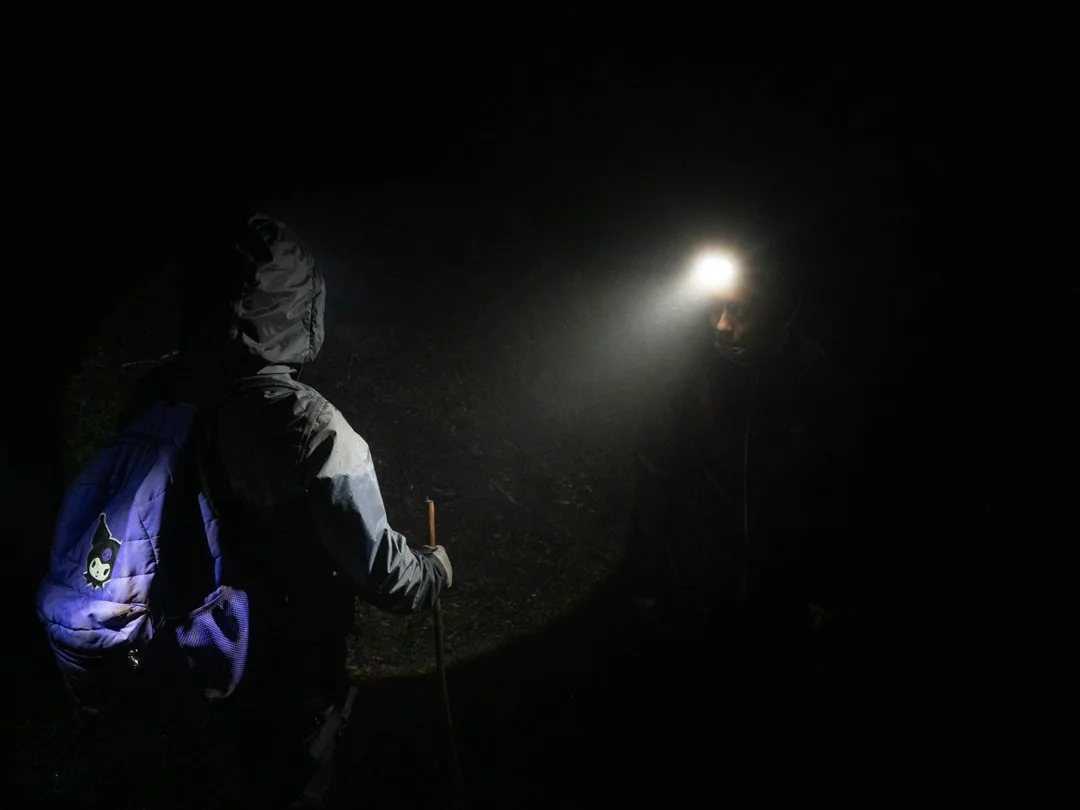
I documented biodiversity research in the raw natural environment. I focused both on contextual storytelling and on the "hidden" details: the tiny frogs tucked away in flowers, the community involvement in research projects and the lives of researchers in the field.
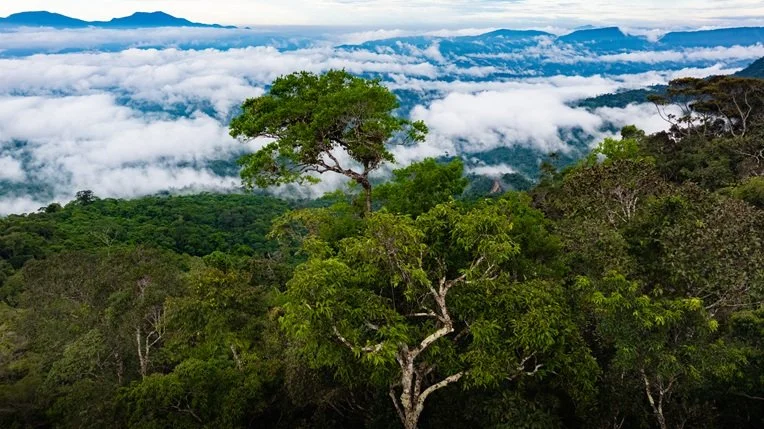
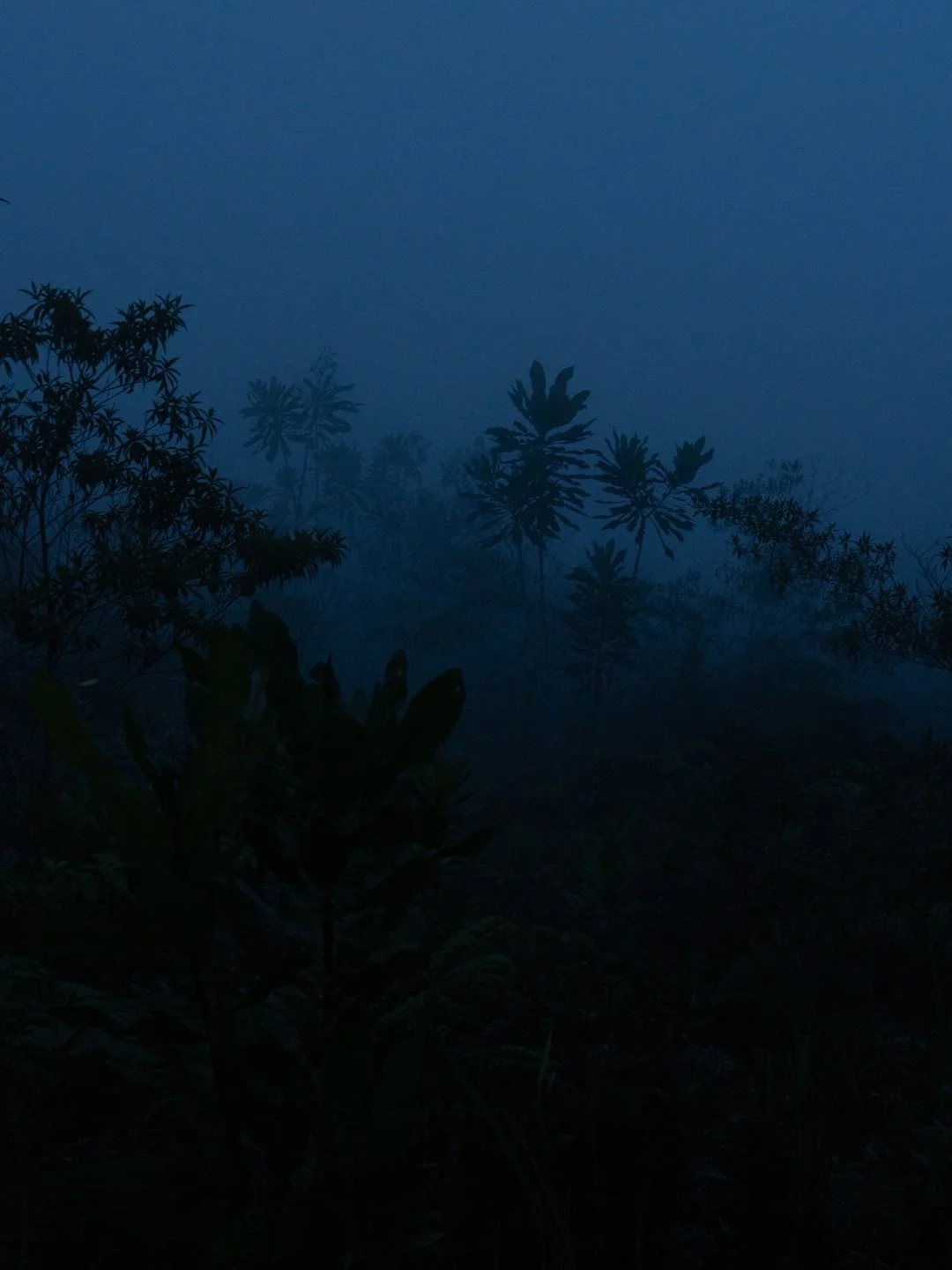
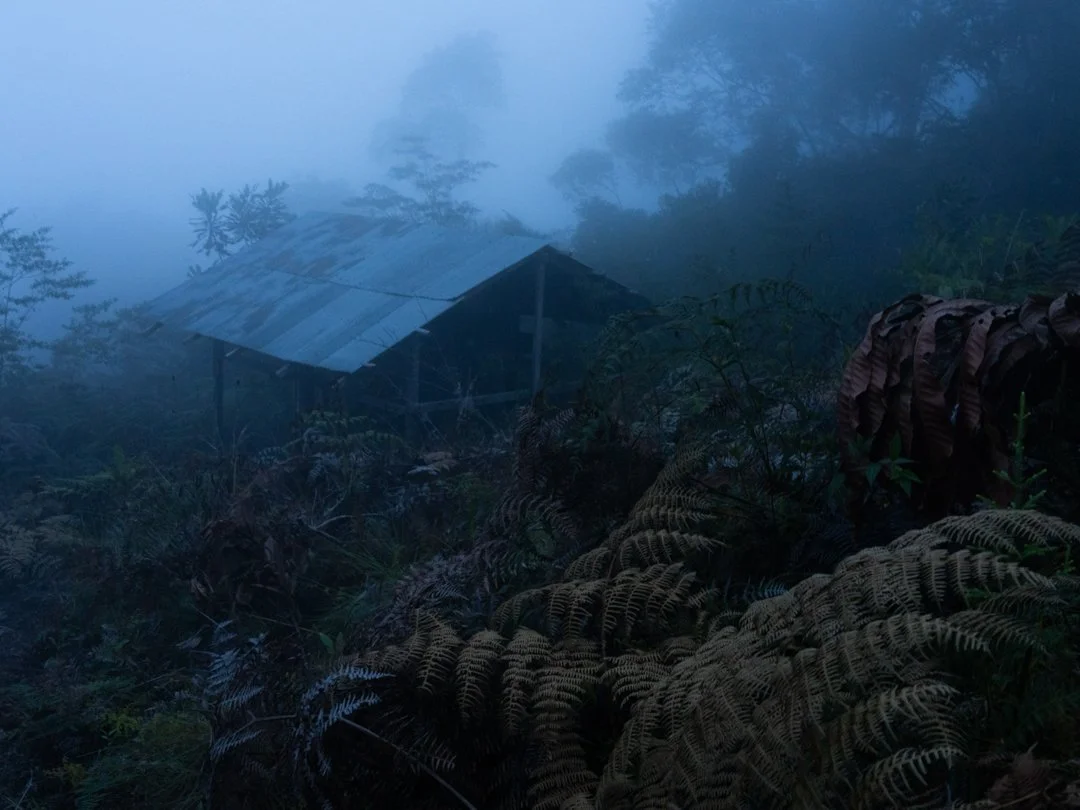
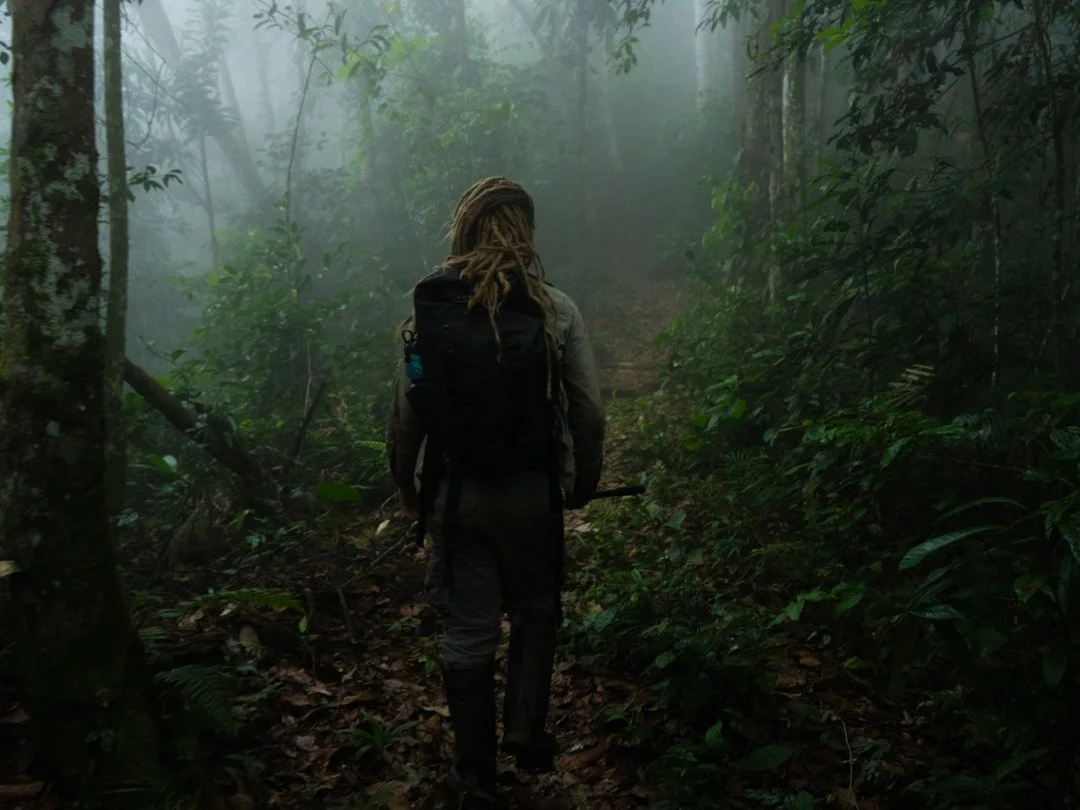
Using a cinematic aesthetic applied to a wild setting, I used the deep shadows and vibrant greens of the Amazon to create a sense of mystery and urgency.
The Impact
The imagery provides a bridge between the scientific community and the public. These visual assets are used to illustrate the tangible results of the research, helping Nature Conservaction advocate for the protection of critical Amazonian corridors and highlighting Peru's role as a global leader in biodiversity conservation.
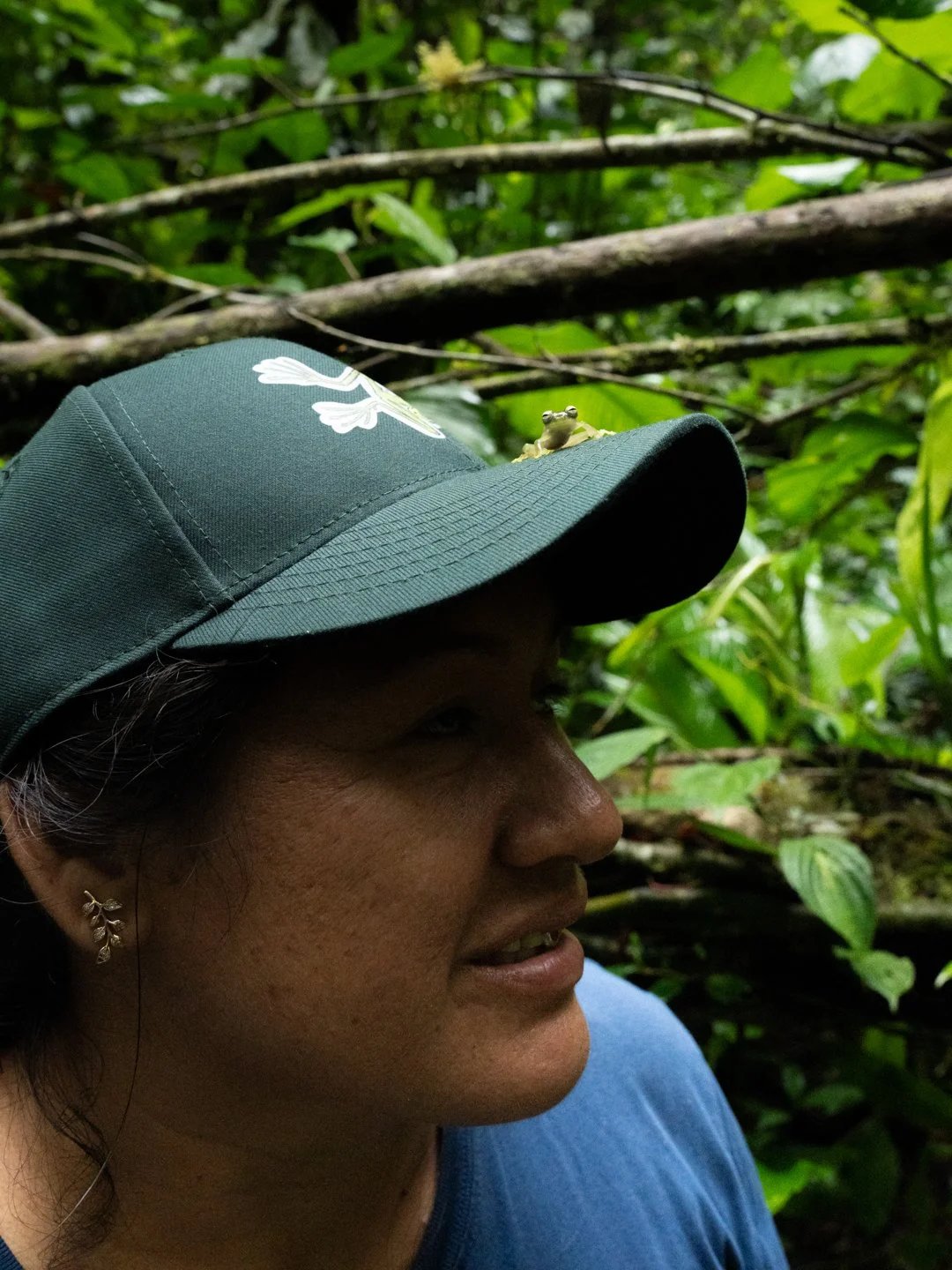
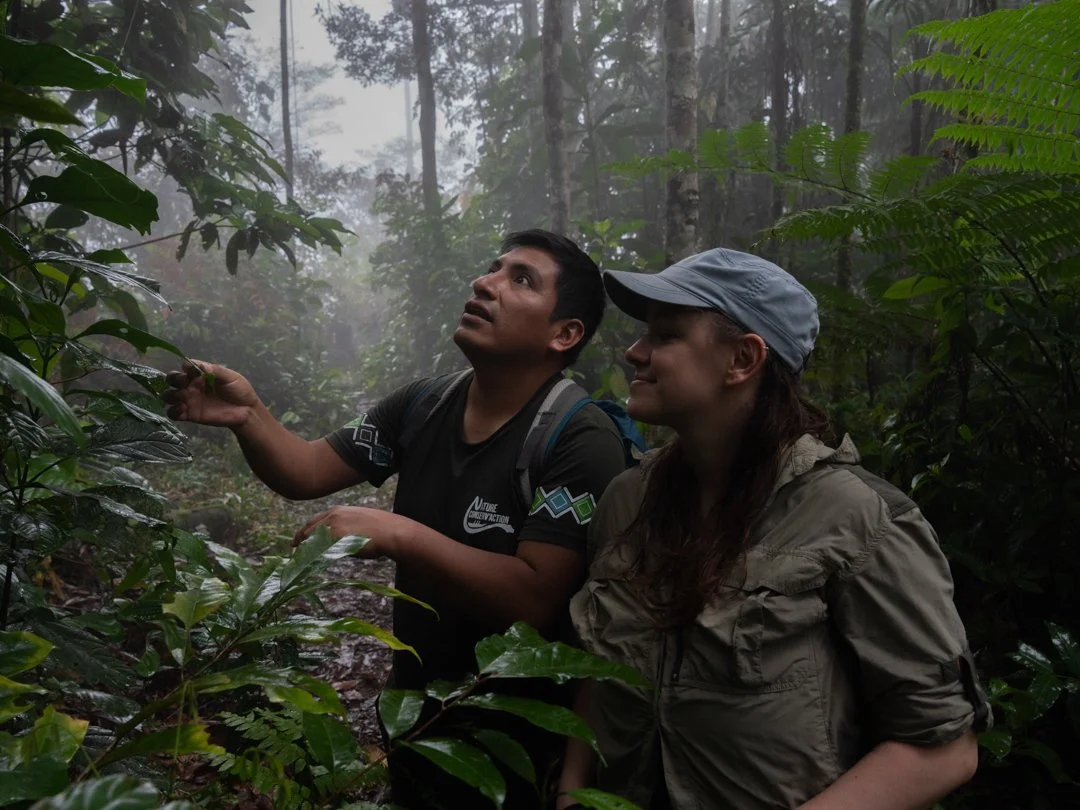
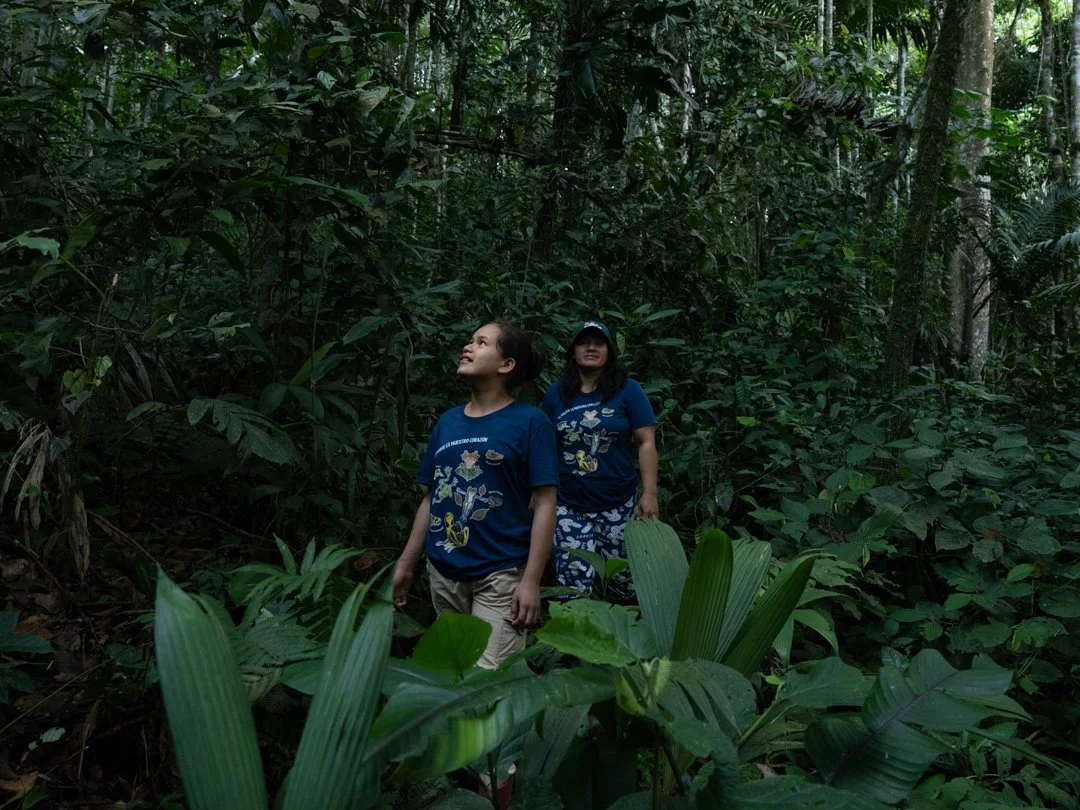
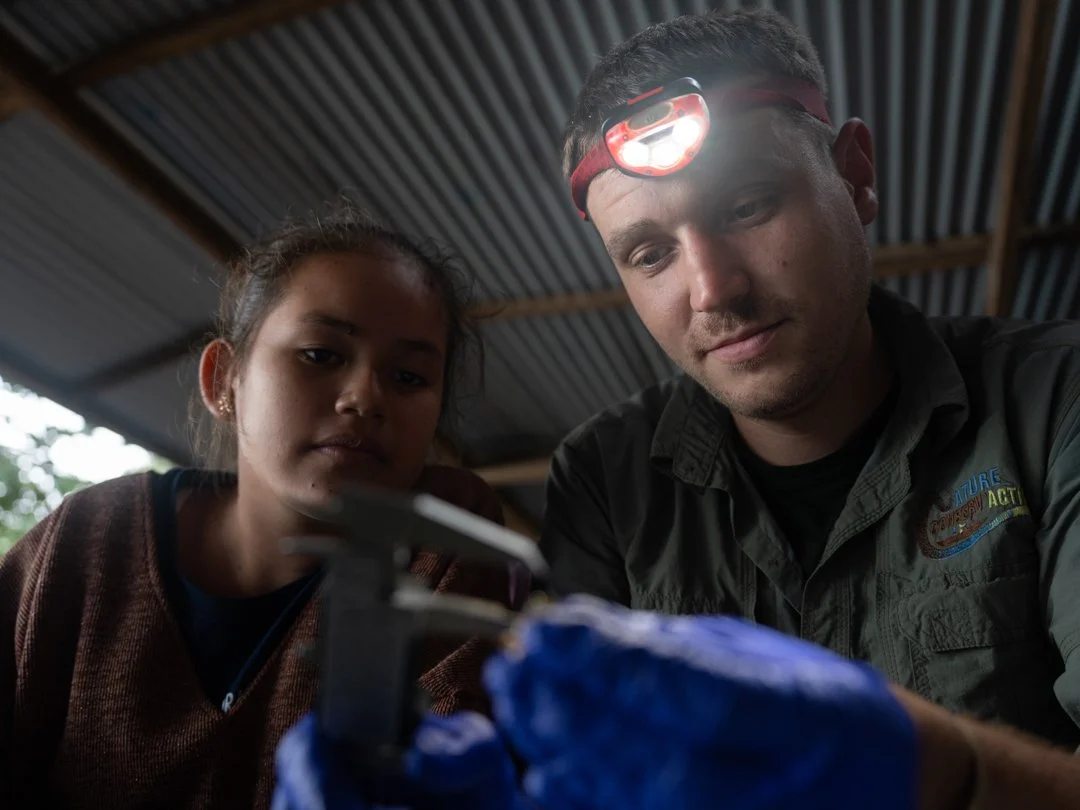
Photography as a conservation tool.
In nature conservation, photography serves as the vital bridge between complex scientific data and public emotional engagement. While researchers provide the evidence for environmental change, photographers provide the visual proof that makes that change feel personal and urgent.
Bring Your Impact to Life:
Video Postcards for NGOs
In international development, the most powerful stories are told in moments. Video Postcards are short-form, mobile-native videos designed to bring global donors directly into the field.
Moving beyond standard statistics, these cinematic clips capture the raw texture of your work; the sound of a newly installed water pump, the resilience in a local artisan’s smile, or the morning mist over a conservation site. Highly shareable and optimised for Instagram, TikTok, and LinkedIn, they are the ultimate tool for modern digital fundraising, translating complex NGO campaigns into immediate, emotional human connection.
Working in Humid Conditions
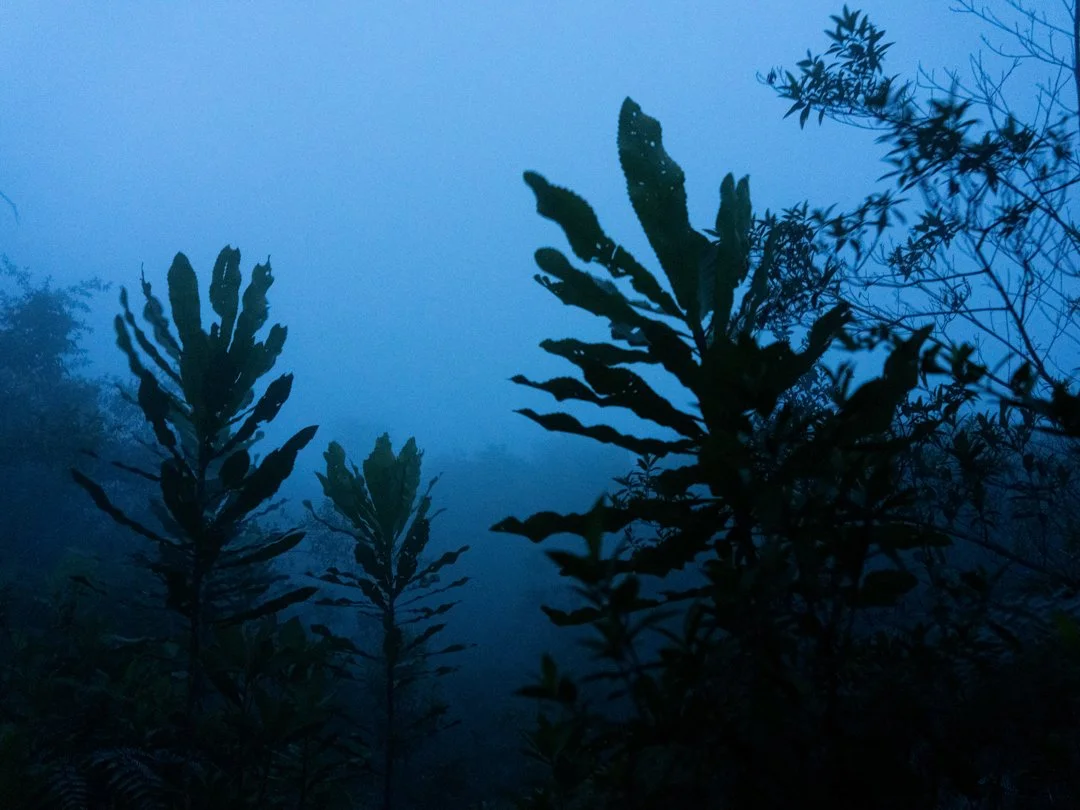
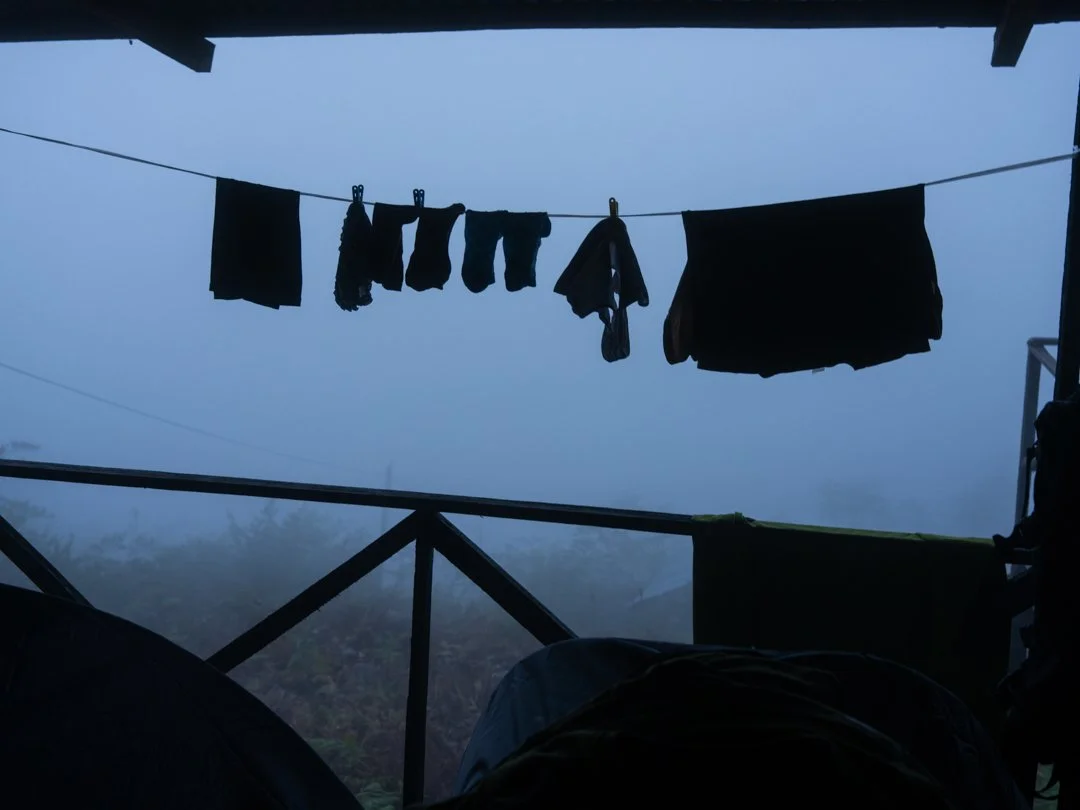
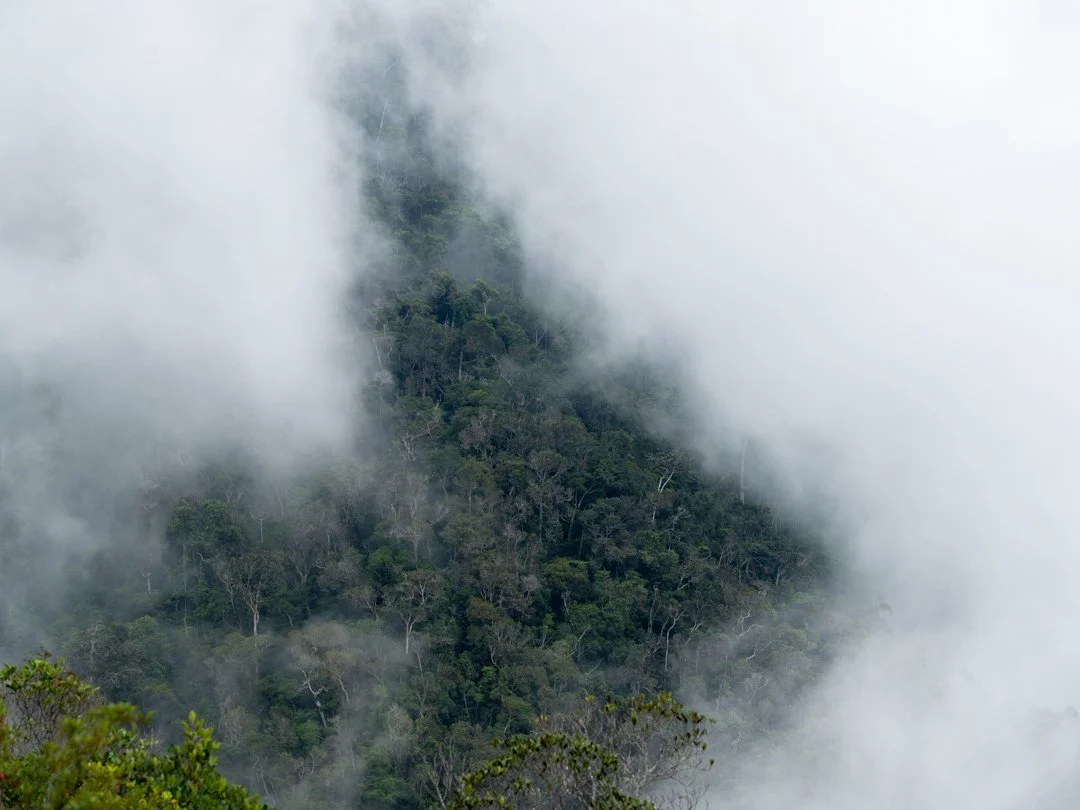
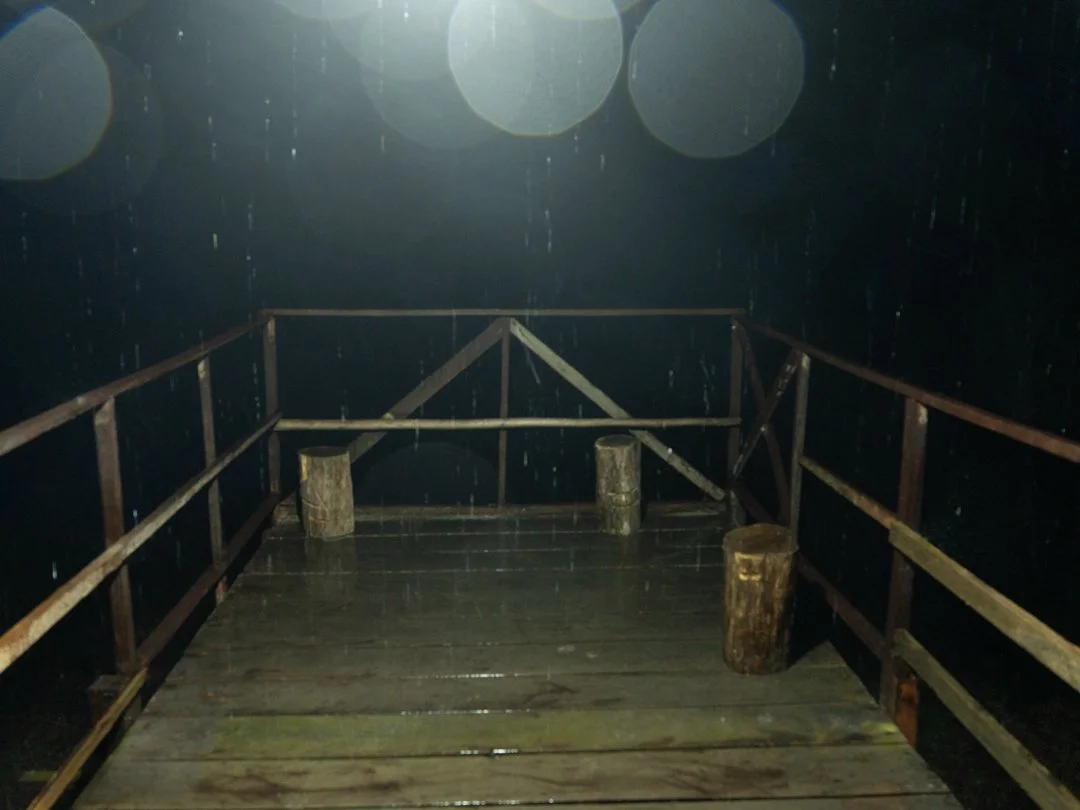
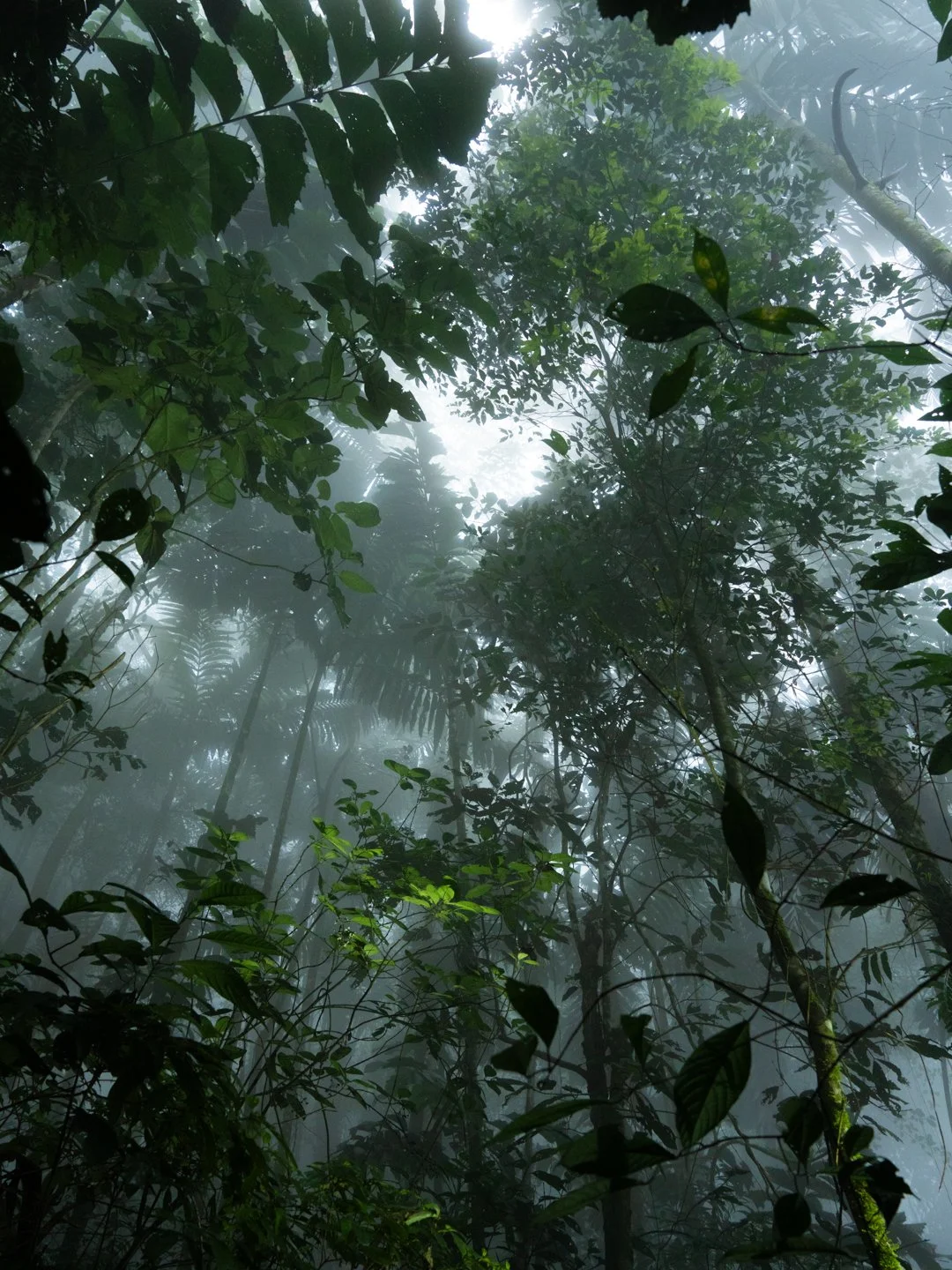
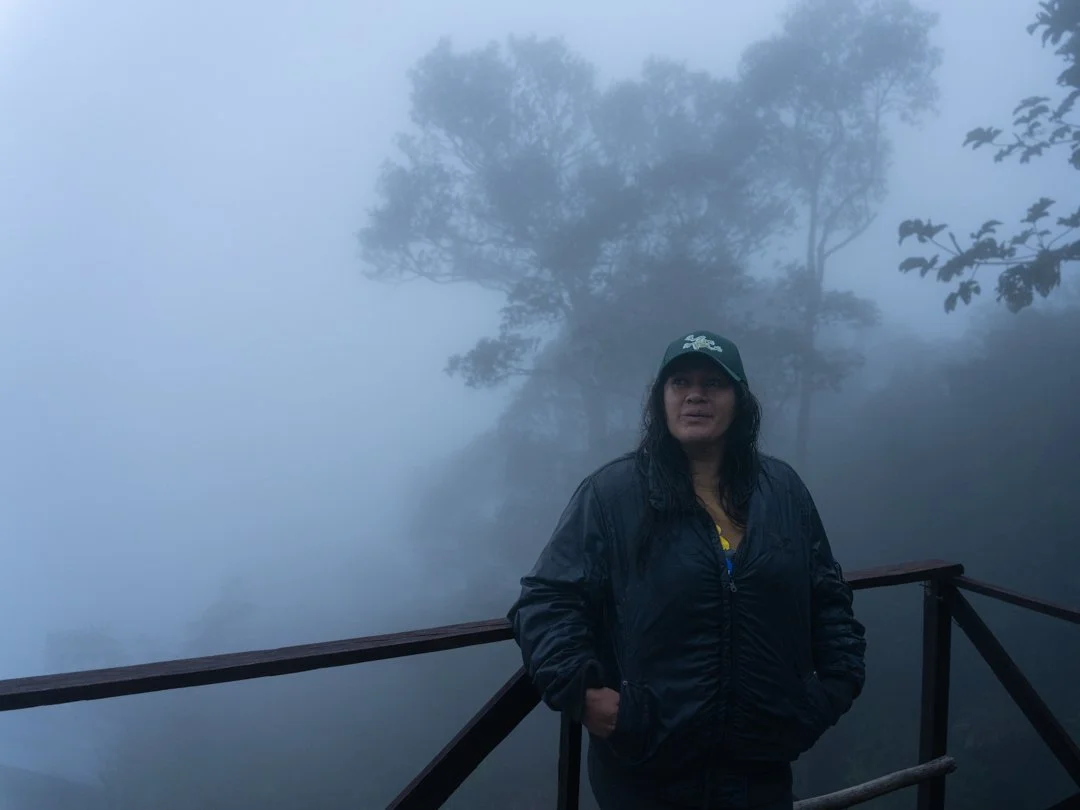
Working within the humid and wet conditions of a cloud forest, such as those found in the high-altitude regions of the Amazon, presents a unique set of challenges. In these environments, moisture is not just a weather event but a constant atmospheric presence.
Navigating High Humidity and Tropical Precipitation
The primary challenge in a cloud forest is the pervasive humidity, which often hovers near 100%. For a photographer, this means that equipment is constantly at risk of internal fogging and fungal growth. To mitigate this, I had to maintain a protocol of slow acclimatisation, allowing gear to reach ambient temperature within sealed, moisture-controlled bags before use.
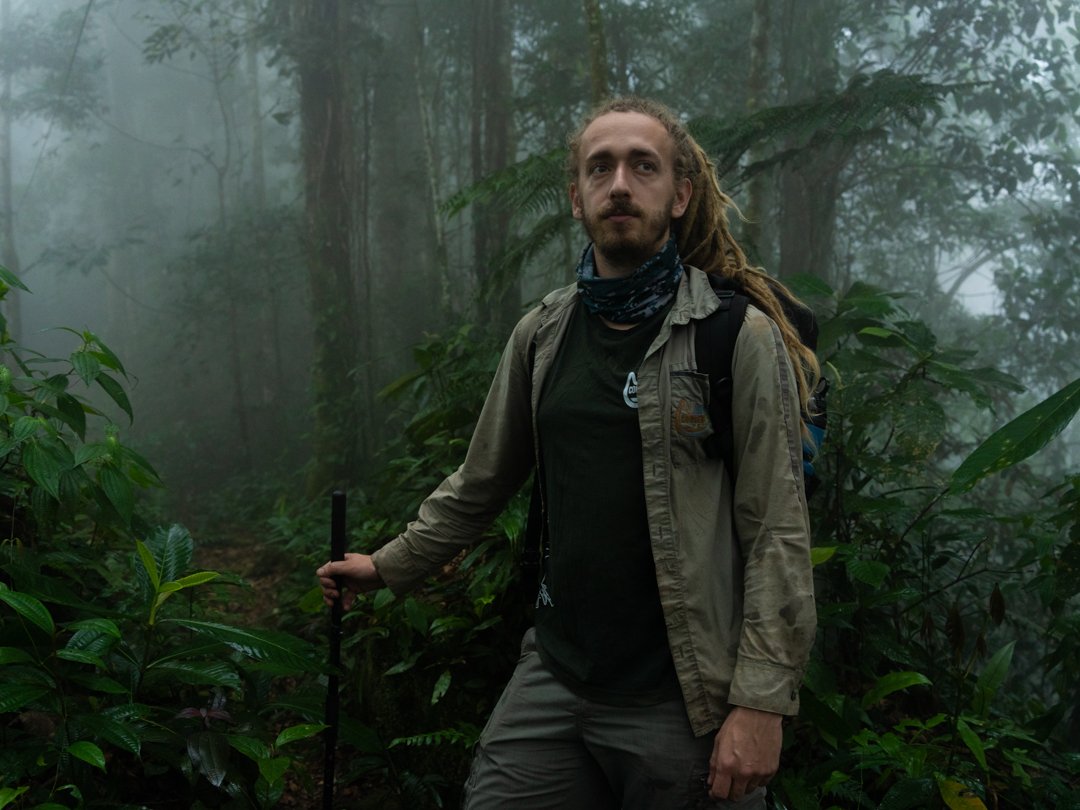
The light in a cloud forest is characteristically soft and diffused by the constant mist, which provides a natural "softbox" effect. This allows for the capture of incredibly rich, saturated greens and deep textures that would be washed out by direct sunlight.
Photography Gallery